
Where to Stay in Beirut
Your guide to the best areas and accommodation types
Beirut spills across a thin coastal shelf where Ottoman stone houses lean against new glass towers and Mediterranean salt sneaks through every open window. Downtown Solidere and Ain el Mreisseh anchor the luxury tier. Hamra and Achrafieh hold the deepest pool of mid-range hotels. Gemmayzeh and Raouche pull boutique and seafront seekers at varying price points.
Hotels quote and charge in US dollars. A solid mid-range double runs $80-140 in most neighborhoods. Raouche seafront and Downtown carry a premium in summer. Hamra offers the widest budget competition.
Budget
$30-65 per night for guesthouses and budget hotels
Mid-Range
$80-160 per night for 3-4 star hotels and boutique properties
Luxury
$200-420 per night for 5-star and premier boutique hotels
Where to Stay in Beirut
Hand-picked hotels across price tiers for every visitor.
Our Top Picks
The highest-rated hotel in each price range, selected from all neighborhoods.
Top Pick: Downtown Solidere
"Very excellent hotel, delicious breakfast. And excatly mohamad dorra reception…"
Sunbathing area
Outdoor swimming pool
Hot springs
Massage room
Downtown Solidere
Check prices on Trip.com →
Top Pick: Downtown Solidere
Mid Range
Lost
"Very nice, helpful, English speaking staff. The hotel is in a great location if…"
Parking
Luggage storage
Wi-Fi in public areas
Downtown Solidere
Check prices on Trip.com →
Top Pick: Downtown Solidere
"Receptionist are very welcoming and helpful. The room so so. There is a sound f…"
Sunbathing area
Outdoor swimming pool
Massage room
Gym
Downtown Solidere
Check prices on Trip.com →
Best Areas to Stay
Each neighborhood has its own character. Find the one that matches your travel style.
Hotel recommendations verified
Downtown Solidere
Luxury
The rebuilt city center rises on the ruins of civil-war downtown, with Nejmeh Square's honey-colored limestone arcades, the Roman baths, and the restored clock tower. Streets are wide, well-lit, and noticeably quieter than any other part of Beirut outside business hours. The whole district carries an almost surreal calm.
- ✓ Walking distance to Parliament, Roman ruins, the Grand Mosque, and Saint George Cathedral.
- ✓ The cleanest and most maintained streets in Beirut
- ✓ Highest concentration of fine-dining restaurants in the country
- ✓ Well-lit pavements and a visible security presence make evening walks comfortable.
- ✗ Almost no authentic neighborhood life. It feels curated and often empty outside working hours.
- ✗ No true budget accommodation. Minimum spend here is mid-range
Recommended places to stay in Downtown Solidere
"Very excellent hotel, delicious breakfast. And excatly mohamad dorra reception…"
Sunbathing area
Outdoor swimming pool
Hot springs
Massage room
✓ Verified
Check prices on Trip.com →
Mid Range
Lost
"Very nice, helpful, English speaking staff. The hotel is in a great location if…"
Parking
Luggage storage
Wi-Fi in public areas
✓ Verified
Check prices on Trip.com →
"Receptionist are very welcoming and helpful. The room so so. There is a sound f…"
Sunbathing area
Outdoor swimming pool
Massage room
Gym
✓ Verified
Check prices on Trip.com →
Budget
Studio 44
"This hotel is very cost-effective and has a clean and tidy environment. Although…"
Parking
Airport pick-up
Luggage storage
Airport drop-off
✓ Verified
Check prices on Trip.com →
Mid Range
The Key Beirut
"Pros: Great staff and nice hotel. Very clean Quiet location Cons: A little a…"
Spa
Massage room
Gym
Private parking
✓ Verified
Check prices on Trip.com →
Hamra
Budget to Mid-range
The traditional hub of West Beirut, anchored by the American University of Beirut's leafy campus and the commercial strip of Hamra Street. Coffee roasters fill the air with dark-roast smoke by 7am. The bookshops, juice bars, and shawarma stands lining every side street make Hamra the most walkable neighborhood in Beirut for daily life. It is the easiest base for first-time visitors.
- ✓ Largest concentration of hotels in Beirut, creating genuine price competition and wide availability.
- ✓ AUB campus grounds are open to the public and provide rare green space in the city.
- ✓ Street food and cafes within a five-minute walk in any direction
- ✓ Frequent shared taxis connect Hamra to every other neighborhood without a surcharge.
- ✗ Traffic noise from Hamra Street is relentless and unrelenting until midnight
- ✗ Some older hotels show their age visibly and have not been renovated since the 1990s.
Recommended places to stay in Hamra
Budget
ElSheikh Suites Hotel
"Room was very clean. The only issue I saw was the door for the bathroom is rotte…"
Private parking
Restaurant
✓ Verified
Check prices on Trip.com →
Mid Range
Radisson Blu Hotel, Beirut Verdun
"Very good hotel near the mall,but no parking if you have a car you have to pay e…"
Sunbathing area
Spa
Massage room
Gym
✓ Verified
Check prices on Trip.com →
Luxury
Albergo Hotel
Outdoor swimming pool
Spa
Massage room
Gym
✓ Verified
Check prices on Trip.com →
Budget
Shade Suites and Studios
Gym
Parking
Luggage storage
Bar
✓ Verified
Check prices on Trip.com →
Mid Range
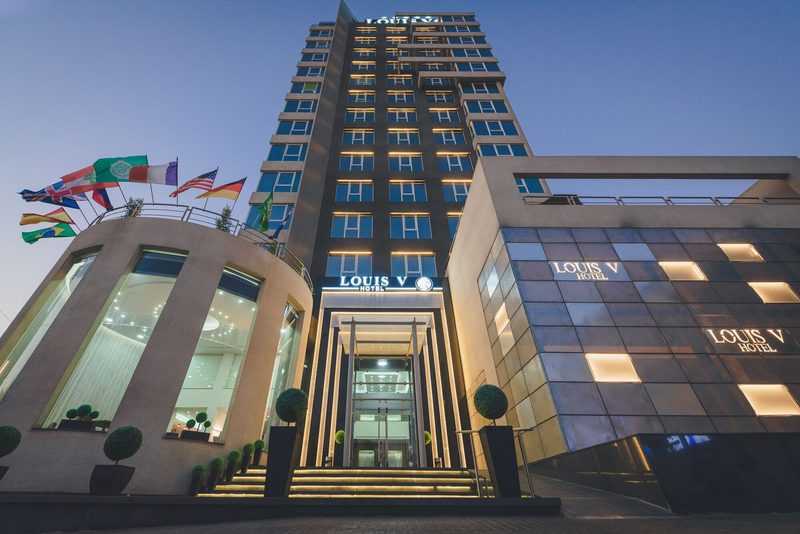
Louis V Hotel Beirut
"Very clean very good hotel very good service"
Gym
Private parking
Airport pick-up
Car rentals
✓ Verified
Check prices on Trip.com →
Achrafieh
Mid-range to Luxury
The historic heartland of East Beirut, where Sassine Square is ringed with outdoor tables and the side streets reveal pink-and-white Ottoman houses half-buried under cascading bougainvillea. Achrafieh is the most architecturally intact quarter in Beirut. Jasmine from private gardens drifts onto the pavement on warm evenings. Cobbled stairways connecting the hills carry almost no car traffic.
- ✓ The densest cluster of surviving heritage architecture in the city
- ✓ Best independent restaurant and bar scene outside of Gemmayzeh
- ✓ Calmer and safer-feeling night streets than Hamra
- ✓ Short taxi ride to both the port area and Downtown
- ✗ Steep hills make luggage-carrying arrivals difficult on foot. A taxi from the main road is effectively mandatory.
- ✗ Parking is functionally impossible. The neighborhood is built for pedestrians, not cars.
Recommended places to stay in Achrafieh
Budget
The Gem Boutique Hotel
"very friendly and kind owner. nice area. room floor was a little dirty on arriva…"
Spa
Massage room
Luggage storage
Bar
✓ Verified
Check prices on Trip.com →
Mid Range
Staybridge Suites BEIRUT by IHG
"Great location, great service. Toilets in receptions could be cleaner. Recommend…"
Outdoor swimming pool
Gym
Private parking
Airport pick-up
✓ Verified
Check prices on Trip.com →
Luxury
The Smallville Hotel
"This hotel is an anime cartoon theme, and the elevators and corridors are all an…"
Indoor swimming pool
Diving
Skiing
Horse riding
✓ Verified
Check prices on Trip.com →
Mid Range
1866 Court & Suites Hotel
"A big thank you for Nadia from in reception who tried to get us a free upgrade,…"
Golf course
Outdoor swimming pool
Hiking
Gym
✓ Verified
Check prices on Trip.com →
Mid Range
Lahoya Homes
Private parking
Luggage storage
Currency exchange
Wi-Fi in public areas
✓ Verified
Check prices on Trip.com →
Gemmayzeh
Budget to Mid-range
A cobblestone strip of 19th-century two-story houses that survived the 2020 port explosion and have since been covered in murals and packed with bar chairs spilling onto the pavement. The smell of arak and grilled meat follows you downhill from midnight onward. By 8am the same streets are silent, cool, and carpeted with jasmine blossoms from the gardens overhead.
- ✓ The best-concentrated bar strip in Beirut within a single walkable street
- ✓ A street-art scene that accumulated after the 2020 explosion and now covers almost every wall.
- ✓ Strong community of independent restaurants and mezze spots that open late into the night.
- ✓ Downhill walking distance to the port and Downtown
- ✗ Bar noise makes sleeping before midnight on Friday and Saturday impossible in street-facing rooms.
- ✗ Post-explosion construction continues on several blocks and creates daytime noise and dust.
Recommended places to stay in Gemmayzeh
Budget
Hotel Méditerranée Beyrouth
"The Otel site is beautiful."
Outdoor swimming pool
Massage room
Gym
Parking
✓ Verified
Check prices on Trip.com →
Mid Range
Ramada by Wyndham Downtown Beirut
"I had a wonderful stay at this hotel! The staff were incredibly welcoming and he…"
Private parking
Airport pick-up
Luggage storage
Bar
✓ Verified
Check prices on Trip.com →
Luxury
Mövenpick Beirut
"Great stay, hotel staff are very friendly and helpful! The hotel would be great…"
Golf course
Indoor swimming pool
Outdoor swimming pool
Private beach area
✓ Verified
Check prices on Trip.com →
Mid Range
Sofitel Beirut le Gabriel
"good hotel"
Indoor swimming pool
Sauna
Gym
Private parking
✓ Verified
Check prices on Trip.com →
Mid Range
Warwick Stone 55 Hotel Beirut
"The location is excellent but due to non season timing it was empty and service…"
Gym
Private parking
Airport pick-up
Luggage storage
✓ Verified
Check prices on Trip.com →
Raouche
Mid-range to Luxury
Raouche takes its name from the twin Pigeon Rocks that spear straight up from the sea at Beirut's western edge. The Corniche bends here, hugging the cliffs. Families crowd the railing at sunset. Orange light flares across the spray. Fresh coffee drifts from the cafes. A steady sea wind drops the temperature several degrees below inland Beirut.
- ✓ Unobstructed Mediterranean views from most hotel rooms
- ✓ Direct access to the Corniche promenade for morning walks and evening runs
- ✓ Quieter and more residential than Hamra or Downtown
- ✓ Closest Beirut neighborhood to Ramlet el Baida, the city's main public beach
- ✗ Walkable dining variety is thin. Cafes and snack spots dominate. Sit-down dinner choices are scarce.
- ✗ Taxi-dependent for reaching Gemmayzeh, Achrafieh, or Downtown in the evening
Recommended places to stay in Raouche
Budget
Hamra Urban Gardens
"Was a nice stay, clean rooms and friendly staff."
Outdoor swimming pool
Hiking
Gym
Airport pick-up
✓ Verified
Check prices on Trip.com →
Mid Range
Gefinor Rotana
"Closer to the sea, good service. But the room facilities are relatively old"
Outdoor swimming pool
Sauna
Gym
Private parking
✓ Verified
Check prices on Trip.com →
Budget
The Parisian Hotel
"A good hotel for a short stay in Beirut, if you're just passing throu"
Gym
Private parking
Airport pick-up
Luggage storage
✓ Verified
Check prices on Trip.com →
Budget
35 Rooms
"The location was great, everything is very close to you. It'd a simple hotel wit…"
Parking
Airport pick-up
Luggage storage
Restaurant
✓ Verified
Check prices on Trip.com →
Mid Range
Saifi Suites Beirut
"Great hospitality by the hotel staff all around and nice room! Came here"
Sauna
Spa
Massage room
Gym
✓ Verified
Check prices on Trip.com →
Ain el Mreisseh
Luxury
The coastal stretch between Hamra and Downtown where the Corniche widens. Beirut's grandest pre-war hotels still line the water. Fishermen cast at dawn. Joggers take over by 7am. Evening brings families to benches. Pink sky above the water. Waves slap the sea wall. Sound carries into hotel rooms through open windows.
- ✓ Highest concentration of five-star hotels in Beirut. All along one walkable Corniche stretch.
- ✓ Promenade runs directly outside most hotels for morning runs or evening walks
- ✓ Walking distance to both Hamra and the edge of Downtown Solidere
- ✓ Private beach clubs attached to major hotels. No scramble for public beach space.
- ✗ The premium location commands the highest room rates in the city
- ✗ Street-level Corniche noise can carry. Lower-floor rooms feel it on busy summer evenings.
Recommended places to stay in Ain el Mreisseh
Budget
Hotel Cavalier
"Didn't expect much from the hotel. Very modest, no bathroom amenities (shampoo,…"
Massage room
Airport pick-up
Luggage storage
Bar
✓ Verified
Check prices on Trip.com →
Mid Range
Caramel Boutique Hotel
"The room was clean, large, the service was very good and very warm. I will defin…"
Airport pick-up
Luggage storage
Bar
Nightclub
✓ Verified
Check prices on Trip.com →
Mid Range
O Monot Boutique Hotel Beirut
"Hôtel bien situé, petit mais très chaleureux. Les chambres sont correctes et le…"
Outdoor swimming pool
Surfing
Gym
Private parking
✓ Verified
Check prices on Trip.com →
Mid Range
Radisson Blu Martinez Beirut
"The hotel is located beautiful, the rooms are very large and clean. I don't thin…"
Indoor swimming pool
Sauna
Spa
Massage room
✓ Verified
Check prices on Trip.com →
Mid Range
Royal Tulip Achrafieh
"The hotel I stayed in several years ago, because the economic situation is depre…"
Golf course
Outdoor swimming pool
Hot springs
Hiking
✓ Verified
Check prices on Trip.com →
Find Hotels in Beirut
Compare prices and book your perfect stay
Find the best hotel for your stay on Trip.comPrices via Trip.com. We may earn a commission from bookings.
Accommodation Types
From budget-friendly hostels to luxury hotels, here's what's available.
Boutique Hotels
$80-280 per night
Restored Ottoman and Art Deco mansions in Achrafieh and Gemmayzeh. Fewer than 35 rooms. Rooftop terraces. Gallery-quality interiors.
Best for: Travelers craving architectural character. Neighborhood immersion over chain predictability.
Compare prices onlinely with the property. Most Beirut boutiques are too small for favorable OTA commissions. They will match or beat online rates.
International Chain Hotels
$180-420 per night
Five global brands anchor Ain el Mreisseh and Downtown. Consistent standards. Private beach clubs on the Corniche.
Best for: Business travelers. Brand-standard reliability. Full-service spas. Private sea access. No public beach crowds.
Rates drop to roughly half the August peak in January and February. Same sea-view room, dramatically less.
Mid-Range Hotels
$65-160 per night
Hamra and Raouche hold the strongest selection of three-to-four-star hotels. Several long-running Beirut institutions.
Best for: Value-conscious travelers. Full hotel service. No private beach club or destination spa fees.
Confirm the exact USD rate in writing before arriving. Some mid-range properties changed pricing after the Lebanese economic crisis. Written confirmation prevents billing surprises.
Budget Guesthouses
$30-65 per night
Hamra packs most of Beirut's affordable stays. Long-running family guesthouses. City's best-regarded hostel near Gemmayzeh.
Best for: Backpackers and budget-first travelers. Willing to share facilities. Accept simpler rooms. Trade for central locations and strong transport links.
Carry small USD bills on arrival. Budget properties rarely hold change. ATMs near Hamra Street can run dry on peak summer weekends.
Booking Tips
Insider advice to help you find the best accommodation.
Every hotel in Beirut charges in US dollars
After Lebanon's currency crisis, all properties quote in USD. Confirm the exact dollar amount in writing at booking. Not just on arrival. Avoid rate-conversion confusion.
Sea-view rooms in Raouche and Ain el Mreisseh sell six to eight weeks ahead in summer.
Upper-floor Mediterranean-facing rooms at the Riviera, Phoenicia, and Ramada Plaza Raouche vanish first. Hamra has more supply. Holds availability later, often within a week.
Albergo needs three months lead time for peak dates
Fewer than 35 rooms at Achrafieh's flagship boutique. Rooftop terrace suites and garden-facing units disappear within days of July and August release. Book by April.
January to March delivers the lowest rates in the city
Beirut's low season is real. Five-star sea-view rooms drop to half August prices in mid-winter. Weather stays mild. Corniche walks, Downtown evenings, Gemmayzeh bars. No summer crowds or prices.
When to Book
Timing matters for both price and availability.
High Season
Reserve six to eight weeks ahead for July-August. sea-view rooms in Raouche, Ain el Mreisseh, and Downtown Solidere. Achrafieh boutiques need the same lead time at lower cost.
Shoulder Season
May-June and September-October hit the sweet spot. Warm Mediterranean temperatures. Uncrowded Ramlet el Baida beaches. Rates twenty to thirty percent below August peak.
Low Season
November through March brings deep discounts. Walk-in availability common in Hamra and Raouche. Five-stars in Ain el Mreisseh keep same-week openings. Except Christmas and New Year.
Three to four weeks covers most trips outside peak summer. December 23 to January 2 needs six or more weeks. Any neighborhood. Any budget.
Good to Know
Local customs and practical information.
Check-in / Check-out
Standard check-in is 14:00 and check-out 12:00. Most Beirut hotels store luggage for early arrivals without charge. They will hold a room past midnight. Guests simply need to call ahead. Simple courtesy. No extra fees.
Tipping
A dollar per night left for housekeeping is appreciated. This aligns with local practice. Service charges of ten to fifteen percent are added automatically. Mid-range and luxury restaurants include this. Additional tipping is optional. Keep change handy.
Payment
US dollars are accepted at every property. Cards work reliably at international and mid-range hotels. Budget guesthouses and taxis typically prefer cash. Lebanese pounds are accepted but USD is the practical currency. All tourism spending in Beirut flows in dollars.
Safety
Hamra, Achrafieh, Gemmayzeh, Downtown, and the Corniche are low-risk zones. Visitors feel safe day and evening. Standard urban awareness applies. Keep valuables out of sight in crowded areas. Stay on the main streets late at night. Save your home country's embassy number in your phone before landing.
Frequently Asked Questions
Which Neighborhood Should I Stay in for My First Visit to Beirut?
Mar Mikhael and Gemmayzeh offer the best balance for first-timers, walkable streets lined with cafes and bars, Ottoman-era buildings, and easy access to downtown. Hamra is better if you want a more local vibe with lower prices, while Achrafieh skews residential and quieter. Raouché near the Pigeon Rocks puts you by the corniche but feels isolated from Beirut's street life.
How Much Should I Budget per Night for a Decent Hotel in Beirut?
Mid-range hotels in Mar Mikhael or Hamra run $70, $120 per night, while boutique options in Gemmayzeh or Achrafieh start around $100, $150. Budget guesthouses in Hamra can go as low as $40, $60. Luxury properties like Le Gray or the Phoenicia charge $200+ but often drop rates significantly off-season or midweek.
Is It Safe to Walk Around My Hotel Neighborhood at Night in Beirut?
Mar Mikhael, Gemmayzeh, Hamra, and Achrafieh are generally safe to walk after dark, with plenty of street life and open restaurants until late. The southern suburbs (Dahieh) require more caution and aren't typical tourist areas. Stick to well-lit streets, and you'll find Beirut feels safer at night than many visitors expect, though always check current conditions given the country's evolving situation.
Do I Need to Book Accommodation in Advance, or Can I Find Something on Arrival?
Outside major holidays (Christmas, New Year's, Eid), you can usually find same-day bookings, in Hamra where guesthouses often have walk-in availability. That said, specific boutique hotels in Mar Mikhael and Gemmayzeh fill up on weekends, so booking a few days ahead ensures better choice and rates. July and August see more demand from diaspora visitors.
Are Airbnb Rentals a Good Option in Beirut, or Should I Stick to Hotels?
Airbnbs work well if you want an apartment feel or are staying more than a few nights, Mar Mikhael and Achrafieh have plenty of options in renovated buildings. Just confirm the elevator situation (many walk-ups have no lift) and check if hot water runs on a solar schedule. Hotels offer more consistent service and backup generators during frequent power cuts, which matters if you're only in town briefly.
Which Area Has the Best Access to Beirut's Restaurants and Nightlife?
Mar Mikhael is the epicenter, you can walk to dozens of bars, rooftop spots, and restaurants within a ten-minute radius, plus it's adjacent to Gemmayzeh's historic bar strip. Hamra has a scruffier, more bohemian scene with cheaper eats and late-night shawarma joints. Achrafieh requires more taxi hopping but puts you near higher-end dining in Saifi Village and Sodeco.
How Far Is Beirut's Airport from the Main Hotel Areas, and What's the Ride Like?
Rafic Hariri International Airport sits about 9 km south of downtown, roughly 15, 25 minutes to Mar Mikhael or Hamra in light traffic. But easily 45 minutes during rush hour. Pre-book a hotel transfer or use a ride-hailing app, taxi drivers at arrivals will quote inflated rates, sometimes $25, $30 for a trip that should cost $10, $15.
Do Hotels in Beirut Have Reliable Electricity and Hot Water?
Most hotels above the budget tier run private generators to cover Lebanon's daily power cuts (typically 3, 6 hours), so you'll barely notice outages. Hot water can be solar-heated in older buildings, meaning it's abundant midday but scarce early morning, ask when booking if you care about long showers. Guesthouses and Airbnbs may not have backup power, so confirm if that matters to you.
Is It Worth Staying Near the Corniche, or Is It Too Far from the Action?
The corniche (seafront promenade) near Raouché and Manara is scenic for morning runs and sunset walks, but you'll need taxis to reach restaurants and nightlife in Mar Mikhael or Hamra, it's not a walkable hub. Hotels there tend to be older resort-style properties or international chains. Stay here if you prioritize sea views and quiet. Skip it if you want to be in the thick of Beirut's street energy.
Can I Find Accommodation with a Rooftop View of Beirut's Skyline?
Several boutique hotels and guesthouses in Mar Mikhael and Achrafieh offer rooftop terraces or top-floor rooms with city and mountain views, ask specifically when booking, as not all rooms face the right direction. The higher floors in Gemmayzeh's renovated buildings also deliver solid vistas. Beirut's skyline isn't tall, so even mid-rise properties can give you a panoramic spread from the coast to Mount Lebanon.
Ready to plan your trip to Beirut?
Now that you've got the research covered, here's where to go next.