
Things to Do in Beirut in February
February weather, activities, events & insider tips
Low Season · Budget Friendly
February Weather in Beirut
Long-run averages for February
63°F (17°C)
High Temp
51°F (11°C)
Low Temp
5.0 inches (127 mm)
Rainfall
68%
Humidity
4
Sunny-Day UV
⚠ Mediterranean winter storms arrive rapidly. Heavy rainfall, strong winds, rough seas. Low-lying areas of Hamra, Bourj Hammoud, and the southern suburbs are prone to localized street flooding during intense downpours. Aging drainage infrastructure is the cause. Avoid underpasses and low roads during heavy rain.
⚠ Mountain roads between Beirut and the Bekaa Valley or ski resorts may close temporarily during heavy snowfall. The Dahr el-Baydar pass at 1,550 m (5,085 ft) is affected. Check conditions before departing. Carry chains if driving a rental vehicle above 1,200 m (3,940 ft).
⚠ Sea conditions along the coast can turn rough without warning in February. Boat tours at Raouche and Jounieh Bay cancel when swells exceed safe thresholds. The Corniche waterfront walkway catches significant wave spray during storms. Stay back from the seawall edge.
Making the most of February in Beirut? Browse tours and activities in Beirut on GetYourGuide.
Is February Right for You?
Weigh the advantages and considerations before booking
Advantages
- + February delivers the only window for skiing above the cedars at Mzaar Kfardebian in the morning. Snowpack sits at 1,800 m (5,900 ft) and above. Then drive 45 minutes downhill. Eat raw kibbeh nayyeh by the Mediterranean before sunset over Raouche. That vertical drop from alpine to coast, compressed into a single afternoon, does not exist at this scale anywhere else in the eastern Mediterranean.
- + Restaurant reservations that demand three weeks of planning in July or August open up with a day or two of notice. The kitchen at Tawlet runs with the same seasonal intensity in February but at half the crowd pressure. Tawlet sits in Mar Mikhael. A rotating cast of regional home cooks prepares dishes from a different Lebanese village each day. You eat the same mloukhieh with braised lamb, the same cracked-wheat kibbeh shaped by hand. You can taste them without shouting over a packed dining room.
- + Hotel rates across Beirut's main neighborhoods, Hamra, Achrafieh, Gemmayzeh, Verdun, sit well below their summer peaks. Availability opens in mid-range and upscale properties that sell out months ahead during the July-August diaspora increase. February is one of the more affordable windows to experience the city at full cultural speed.
- + The winter light in Beirut has a quality that the summer haze burns away. Low-angled, golden, cutting through the Ottoman-era arched windows in the Sursock Museum. Long shadows fall across the Roman baths at the Garden of Forgiveness downtown. Photographers who know the city come in winter specifically. The Mediterranean sky clears between storms with a sharpness that makes the Corniche waterfront look like a different city.
Considerations
- − Rain is the defining variable. Ten days out of twenty-eight will see some precipitation. When a Mediterranean low-pressure system stalls over the Lebanese coast, it does not drizzle. It dumps. Streets in low-lying parts of Hamra and Bourj Hammoud flood within an hour. The drainage infrastructure has not kept pace with the city's density. Your shoes will get wet. Plan around it, not against it.
- − Beirut's Mediterranean coast, so magnetic in summer, is functionally off-limits for swimming in February. Water temperatures hover around 17°C (63°F). The public beaches at Ramlet el-Baida are wind-swept. Most beach clubs shutter entirely from December through March. If your trip is built around beach time, February is the wrong month.
- − Shorter daylight hours compress outdoor sightseeing. Sunrise around 6:30 AM, sunset by 5:30 PM. Roughly nine usable hours. After dark, Beirut's nightlife picks up that slack. If your plan depends on long daylight excursions to Byblos, Baalbek, or the Qadisha Valley, you will feel the squeeze.
Settled on February? Compare hotel prices in Beirut for your dates on Trip.com.
Best Activities in February
Top things to do during your visit
Beirut in February has a particular rhythm. The air is cool and often damp, with an average of five inches of rain during the month, and the city moves to an indoor cadence. You'll feel the chill of a breeze coming off the Mediterranean, a contrast to the warm glow of bakery ovens and the steam rising from cups of strong Arabic coffee in cafes tucked along the streets of Hamra or Gemmayzeh. This is a month for the interiors of Beirut, for its museums, its kitchens, and its historic sites, where you can hear the echo of footsteps on ancient stone and smell the scent of old books and cedar wood. The city's famed beaches are quiet. The cultural and culinary life pulses warmly within its walls, offering a more intimate, contemplative experience of the Lebanese capital. The weather in Beirut during February sees average highs near sixty-three degrees Fahrenheit, with lows around fifty-one, making it one of the cooler and wetter periods of the year. This is not the season for sunbathing. It is the season for exploring Beirut's layered history without summer crowds, for savoring long meals where you can taste smoky baba ghanoush and tangy pickled vegetables, and for witnessing the dramatic sight of winter waves crashing against the Pigeon Rocks from a sheltered vantage point. Locals are often found in the city's classic restaurants and modern art galleries, creating a busy social scene that is undeterred by the occasional downpour. Planning around the weather is wise. The rewards are a more authentic glimpse into the daily life of Beirut.

Paragliding Trip Over Jounieh bay
adventureoffers an impressive perspective, launching from the mountains above to silently glide over the deep blue waters of the bay and the dense, green carpet of the coastline below. You'll feel the rush of cool air and hear only the wind as you soar, with the well-known statue of Our Lady of Lebanon appearing small in the distance.
It provides a serene, bird's-eye view of one of Lebanon's most dramatic natural harbors, an experience of flight that is both thrilling and peaceful.
Insider tip: Book for a morning slot to have the calmest wind conditions and the clearest visibility over the bay.
This month: February can bring sudden rain showers. Confirm the flight is a go on the morning of your scheduled trip, as operators are highly weather-dependent.

Pigeon Rocks Boat Ride Beirut (Raouche Rocks)
cruisetakes you from the Corniche directly to the base of the well-known limestone formations, where you can see the textured rock up close, hear the water increase into sea caves, and feel the spray on your face. The short journey offers outstanding views back toward the Beirut skyline from the water.
It is the only way to fully appreciate the scale and geology of the city's most famous natural landmark, feeling the power of the Mediterranean against the stone.
Insider tip: Skip the crowded midday tours by opting for a late afternoon ride, when the low winter sun casts a golden light on the rocks.
This month: The sea can be choppy in February. Dress warmly and be prepared for a bouncier, more exhilarating ride.

Private Lebanese Cooking Class in Beirut with Amal + Transfers
foodputs you in the sensory heart of a local home, where you'll smell toasting pine nuts and simmering stews, feel the texture of freshly kneaded dough, and ultimately taste the complex, bright flavors of dishes you prepared yourself. The included transfers mean you can focus entirely on the culinary experience.
This hands-on session goes beyond recipes to share family techniques and stories, creating a tangible, edible connection to Lebanese culture.
Insider tip: Request to focus on seasonal winter dishes, which often feature hearty ingredients like lentils, pumpkin, and citrus.

Private Trip to Qadisha Valley, Bcharri and Cedars of God
otheris a journey into Lebanon's mountainous north, where you'll walk among ancient, gnarled cedar trees, hear the sound of a rushing river deep in the valley, and see the snow-dusted peaks that frame historic villages. The air is crisp and clean, scented with pine and woodsmoke.
It connects you to the spiritual and natural heritage of the country, from sacred forests to cliffside monasteries, in a landscape of profound quiet.
Insider tip: Wear sturdy, waterproof shoes. The paths in the Qadisha Valley can be muddy and slippery with February's meltwater and rain.
This month: Snow is common at the higher elevations of the Cedars forest in February, creating an impressive, silent winter scene around the trees.

Paragliding activity in Lebanon
adventuretypically launches from coastal sites like Jounieh or other mountain ridges, offering a silent flight where you can see patchwork villages and winding roads below and feel the temperature shift between warm sun and cool valley air. It is an adventure that trades the city's hum for panoramic quiet.
For the pure sensation of flight over Lebanon's varied landscapes, from terraced hills to the sparkling sea.
Insider tip: Confirm the exact launch site with your operator beforehand, as it can change daily based on wind direction, in the variable weather of February.
This month: February weather is highly changeable. Flights are frequently rescheduled or canceled due to low clouds, rain, or strong winds, so maintain a flexible schedule.
Where to Stay in Beirut in February
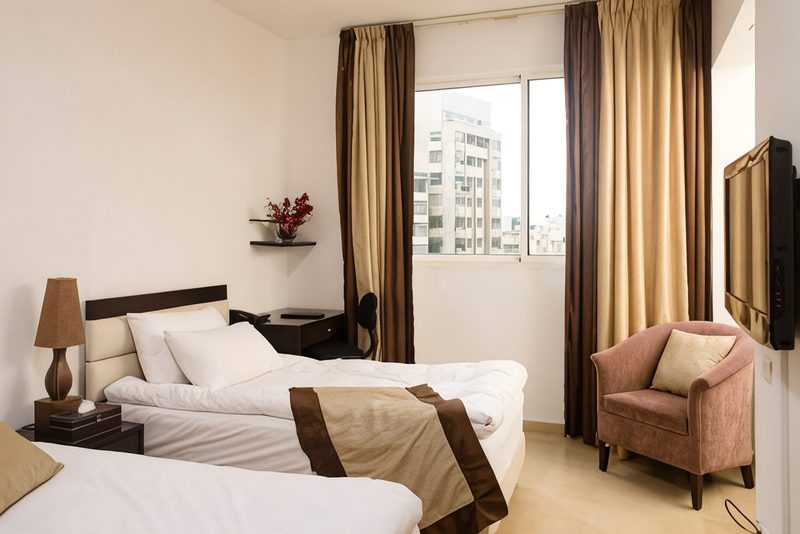
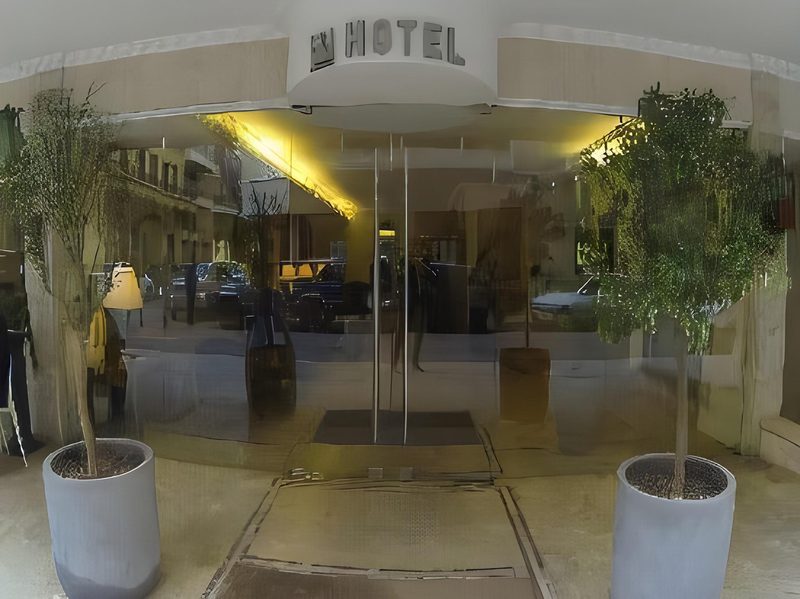
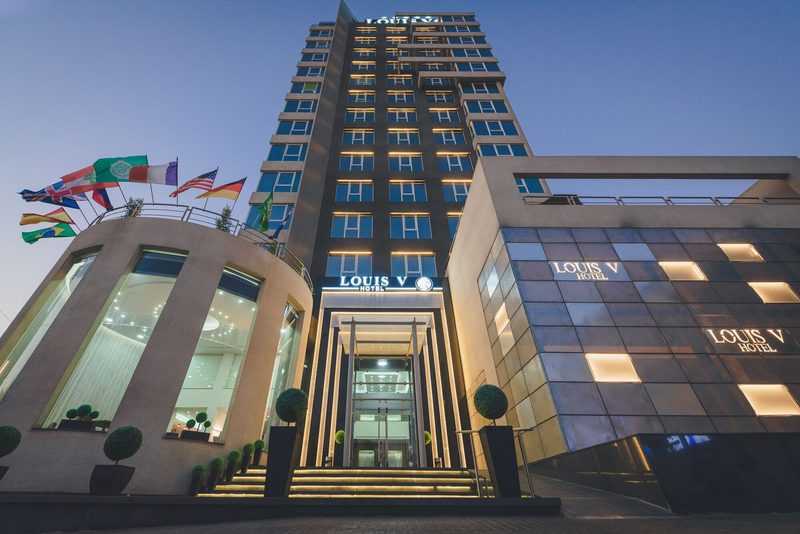
Hand-picked hotels across price tiers for February travellers.
Public Holidays in February
Dates that affect opening hours, transport and crowds
Saint Maron's Day
Observed nationwide as a public holiday. Date calculated from the national holiday calendar.
Saint Maron's Day
Observed nationwide as a public holiday. Date calculated from the national holiday calendar.
Eid al-Fitr
Observed nationwide as a public holiday. This date depends on observation rather than a fixed calendar, so confirm it locally closer to the time. Date not yet confirmed.
Eid al-Fitr
Observed nationwide as a public holiday. This date depends on observation rather than a fixed calendar, so confirm it locally closer to the time. Date not yet confirmed.
Packing Checklist
Bookmark this page — your progress is saved between visits
Need the full list with shopping links?
Climate-specific gear, brand recommendations, and what to leave at home.
View Beirut Packing List →Essential Tips
Insider knowledge and common pitfalls to avoid
Insider Knowledge
Beirut's neighborhoods function almost as separate cities. Your base determines a different experience. Hamra is the intellectual center: American University campus, bookshops, old-guard coffee houses where professors argue politics in three languages. It feels more local than tourist. Achrafieh and Gemmayzeh concentrate the nightlife. The stretch of Gouraud Street between them is the city's social spine most evenings. Verdun is the commercial district where Beirut's middle class shops. Tourists largely ignore it. Some of the city's best casual food lives here. Mar Mikhael, once the edgy arts district, has matured into reliable dining and bar territory. Pick your base by what you want to walk to after dark.
The service taxi system still runs. Shared rides in aging sedans follow fixed routes for a fraction of private taxi cost. They operate along major arteries: Hamra Street, Cola junction, the coastal road. Hold up one finger to indicate shared seat, not private hire. It is chaotic. No posted routes. Locals navigate by instinct. Still, it is the fastest way to move short distances during traffic peaks. You get a three-minute window into how actual Beirutis commute. If a driver quotes a price before you get in, he is treating you as a private fare. Wave him off. Wait for the next one.
February is when Beirut's wine culture is most accessible. Major Bekaa Valley wineries, Chateau Musar, Chateau Ksara, Chateau Kefraya, all institutions with decades of production, run tasting rooms. Summer requires advance booking due to tourist volume. February often accommodates walk-ins or day-before reservations. The reds, those aged in Ksara Roman-era caves at constant 13°C (55°F) year-round, pair with heavier winter Lebanese cooking in a way summer drinking misses entirely.
Power cuts remain daily life in Beirut. The situation has been improving. Most restaurants, hotels, and commercial buildings run private generators that switch on within seconds of grid outage. You may notice only a flicker of lights. Charge your phone whenever you see an outlet with power. A portable battery bank is not optional. It is infrastructure. Hamra and downtown tend to have better grid coverage than southern suburbs or the city's eastern edges.
Avoid These Mistakes
February in Beirut is not too cold. The rain falls in bursts, not all-day drizzle, and the windows between storms deliver the city's most dramatic hours. Washed air, sharp light, empty streets. Travelers who skip February miss a version of the city that summer crowds never see. They miss the skiing too. This is the only place in the eastern Mediterranean where you can be on a slope and at a seaside restaurant the same day.
Do not drive yourself in Beirut. Traffic patterns follow no discernible logic. Lane markings are decorative. The one-way system in Achrafieh changes informally based on congestion. Even locals curse the drive. Use shared service taxis for short hops. Use private taxis or ride-hailing apps for longer routes. Walk whenever the distance is under 2 km (1.2 miles). Walking is faster than driving during the 8-10 AM and 5-7 PM peaks.
Pack for mountain cold on day trips. The 50 km (31 miles) between Beirut's waterfront and the ski slopes at Mzaar cross over 2,000 m (6,560 ft) of elevation gain. Leave Beirut in a light jacket at 15°C (59°F) and arrive at Harissa or Jeita without proper layers, and you will spend the excursion shivering at 7°C (45°F) with wind. Always bring your warmest layer on any trip that heads uphill from the coast.
Short on time? See day trips around Beirut on GetYourGuide.
Ready to plan your trip to Beirut?
Now that you've got the research covered, here's where to go next.
Explore More Activities in Beirut
Didn't see anything interesting yet?
Browse Viator's full catalog of tours, day trips, food experiences, and private guides in Beirut.
See All Beirut Tours on Viator