Things to Do in Beirut in March
March weather, activities, events & insider tips
Low Season · Budget Friendly
March Weather in Beirut
Long-run averages for March
67°F (19°C)
High Temp
54°F (12°C)
Low Temp
3.3 inches (84 mm)
Rainfall
65%
Humidity
6
Sunny-Day UV
⚠ Late-season Mediterranean storms can arrive with short notice. They bring heavy rain and strong westerly winds that make coastal boat tours and paragliding flights subject to last-minute cancellation. These systems typically pass within a few hours. They can turn the Corniche promenade into a wind tunnel and make exposed archaeological sites at Byblos and Baalbek unpleasant until conditions clear.
Making the most of March in Beirut? Browse tours and activities in Beirut on GetYourGuide.
Is March Right for You?
Weigh the advantages and considerations before booking
Advantages
- + March in Beirut hits the sweet spot. Daytime highs around 19°C (67°F) make walking the Corniche, climbing Gemmayzeh's stepped alleys, or exploring Byblos ruins comfortable rather than endured. Mornings carry a cool edge off the Mediterranean. Pack a light jacket. By early afternoon the sun warms the limestone and outdoor seating becomes effortless.
- + Few places on earth offer this. Stand on a Mediterranean coast, feel salt breeze on your face, and see snow-covered mountains less than an hour away. Mount Sannine and Faraya-Mzaar slopes still hold late-season snow through most of March. The drive from sea level to ski elevation takes roughly 45 minutes, climbing about 1,900 m (6,230 ft). White peaks above blue coast. The contrast is sharpest in March.
- + Shoulder season delivers. Jeita Grotto and Baalbek draw shorter queues and calmer energy than summer crush. Accommodation rates in Achrafieh and Hamra settle below peak levels. You will find availability without booking months ahead. Plan now.
- + Hillsides above Beirut flush green by mid-March. Wildflowers erupt. Almond and cherry blossoms blanket the Qadisha Valley and Chouf cedar forests. Mountain air carries clean, resinous scent from ancient groves. It feels like a different country from the exhaust-and-cardamom-coffee atmosphere below.
Considerations
- − March remains inside Beirut's wet season. Average rainfall hits 84 mm (3.3 inches). Storms blow in from the Mediterranean in bursts, not drizzle. When one hits, you lose half a day to grey skies and hard, wind-driven rain. The transition from winter is real but incomplete. Build flexibility into your itinerary. Worth it.
- − The Mediterranean off Beirut in March hovers around 17°C (63°F). Too cold for comfortable swimming. Beach clubs north toward Jounieh stand largely shuttered or at minimal capacity. The waterfront social scene has not yet woken up. If beaches define your trip, March disappoints. Choose another month.
- − Eid al-Fitr falls around early-to-mid March in 2027, ending Ramadan. Christian-majority neighbourhoods operate normally. Muslim areas may keep adjusted hours in Ramadan's final days. The city shifts during Eid itself, when many Lebanese travel to family homes outside the capital. Not a barrier. Know the pattern. Plan around it.
Settled on March? Compare hotel prices in Beirut for your dates on Trip.com.
Best Activities in March
Top things to do during your visit
March settles over Beirut like a slow exhale after winter. The Mediterranean pulls back its grey curtain. Average highs reach 19°C (67°F) and lows hover around 12°C (54°F), warm enough to linger on the Corniche without a heavy coat but cool enough that the city's stone buildings hold a pleasant chill in the mornings. Rainfall drops sharply from February's soaking, roughly 84 mm through the month, so you will still catch the occasional afternoon shower rolling in from the sea. The stretches of dry, mild days grow longer. The air carries the mineral scent of wet limestone after those rains, mingling with the charcoal smoke drifting from manakish ovens on side streets in Gemmayzeh and Mar Mikhael. The light, in late afternoon, turns Beirut's layered skyline into something photographers wait for all year. Ottoman stone houses shoulder against concrete towers. Construction cranes silhouette above half-rebuilt blocks. The city's rhythm in March sits between seasons. Summer's packed rooftop bars and beach clubs have not yet opened. The crowds that fill Beirut's seaside promenades through July and August are months away. What you get instead is Beirut at its most local. Neighbourhood bakeries have queues of regulars at seven in the morning. The crunch of fresh ka'ak sesame bread is audible from across the street. Grandmothers in Achrafieh walk unhurried past graffitied walls. The mountains visible from the eastern edge of the city still hold snow on their peaks, which means day trips combine coastal warmth with alpine cold in under an hour of driving. That compression of landscape defines Lebanon. For travellers wondering about safety, Beirut's central neighbourhoods, Hamra, Achrafieh, Gemmayzeh, Downtown, function with the ordinary caution any Mediterranean city requires. Awareness of your surroundings. Reasonable attention to local news. The common sense to avoid areas your accommodation or local contacts advise against. The city's food scene, its coastline, and its cultural infrastructure are fully operational and worth every hour you give them. Where to stay depends on what you want from your nights. Hamra offers walkable density: universities, bookshops, old cinemas, and restaurants serving labneh so thick and tangy it holds a spoon upright. Gemmayzeh and Mar Mikhael are where Beirut's nightlife concentrates. Narrow streets lined with bars spill warm yellow light and the hum of conversation onto cracked sidewalks. Cocktail menus draw on arak and rose water. Live music venues let you hear Arabic jazz trios until well past midnight. Achrafieh skews quieter, residential, with excellent bakeries and a cooler hillside breeze that makes walking its steep staircases comfortable in March's mild temperatures.

Paragliding Trip Over Jounieh bay
adventureParagliding over Jounieh Bay launches you from the ridgeline above the town of Jounieh, roughly twenty minutes north of central Beirut. Within seconds the Mediterranean opens below in a sheet of hammered silver and deep teal. The tandem flight carries you over the red-roofed houses of Jounieh, the crescent-shaped bay curving beneath your feet, with the scent of pine resin and salt rising on the thermals. On clear March mornings, the snow-capped peaks of Mount Lebanon stand sharp to the east while the coastline stretches south toward Beirut's hazy skyline. Two worlds visible in a single slow turn.
The combination of coastal Mediterranean views and snow-capped mountain backdrop in a single glide exists almost nowhere else on Earth at this latitude.
Insider tip: Book the earliest morning slot. Thermals are gentler and the light over the bay is softer, which also means a smoother ride for anyone prone to motion sensitivity.
This month: March thermals are milder than summer, producing a smoother, longer glide. The mountains still carry snow, sharpening the visual contrast between coast and peaks.

Pigeon Rocks Boat Ride Beirut (Raouche Rocks)
cruiseThe Pigeon Rocks at Raouche are two massive limestone arches standing in the sea just off Beirut's western shoreline, sculpted by millennia of salt spray and winter storms into forms that look almost deliberate. A small boat ride takes you through the archways and around the rocks' base, where the water shifts from pale turquoise in the shallows to a deep indigo where the seafloor drops away. You hear the slap of waves echoing inside the arches. You feel the cool mist off the rocks on your skin. If you look up, you may spot the silhouettes of pigeons, the rocks' namesake residents, wheeling against the sky above the cliffs.
Seeing Beirut's most recognisable natural landmark from sea level, passing through the arch itself, reveals the sheer scale that photographs from the Corniche above never capture.
Insider tip: Go in the late afternoon when the western sun backlights the arches and the tourist foot traffic along the Raouche cliffs thins out, leaving the boat largely to you.

Private Lebanese Cooking Class in Beirut with Amal + Transfers
foodThis cooking class in Beirut pairs you with a home cook named Amal in a residential kitchen, not a staged studio, where the counters are scarred from years of actual use and the spice jars are half-empty because they are real. You will roll grape leaves until your fingers are stained green, pound garlic and salt into a paste for toum so pungent your eyes water, and pull kibbeh from the oven with a crackling crust that shatters at the first tap of a spoon. The flavours of Beirut's home cooking, the sour edge of sumac, the nuttiness of toasted pine nuts, the silky weight of tahini, are harder to find in restaurants than you might expect. This is where you learn to reproduce them.
Lebanese food is one of the most imitated cuisines on Earth, and learning its techniques from a home cook in Beirut exposes how much restaurant versions elsewhere leave out.
Insider tip: Ask Amal to teach you the toum (garlic sauce) technique specifically. It is the one recipe visitors struggle most to replicate at home, and the trick is in the emulsification speed, which she demonstrates by hand.

Private Trip to Qadisha Valley, Bcharri and Cedars of God
otherThe Qadisha Valley is a deep gorge cut into the mountains northeast of Beirut, its walls terraced with ancient monasteries built directly into the rock face. Some are still inhabited by monks who keep beeswax candles burning in chapels carved from the cliff. The drive from Beirut climbs through villages where the air sharpens with altitude and the smell of cedar and cold stone replaces the coastal salt. Bcharri, the town perched at the valley's head, is the birthplace of Khalil Gibran. The remaining Cedars of God, a grove of the ancient trees that once covered these mountains, stand gnarled and enormous, their bark rough and furrowed under your hand, exuding a resinous sweetness that clings to your clothes long after you leave.
This valley holds fifteen centuries of monastic history embedded in living rock, anchored by a cedar grove that has survived since the time the Phoenicians shipped these same trees to Egypt.
Insider tip: Start early from Beirut to reach Bcharri before midday. The valley's eastern wall catches morning sun and the monasteries photograph far better before the gorge falls into afternoon shadow.
This month: The Cedars of God grove may still have snow on the ground in March, and the higher trail sections can be slippery. Sturdy footwear with grip is essential rather than optional.

Paragliding activity in Lebanon
adventureThis paragliding operation launches from the hills above the Lebanese coast and has a distinct flight profile from the Jounieh Bay route. The launch site and flight path differ, giving you a wider sweep of the coastline and, depending on conditions, a longer time aloft. The sensation of stepping off the hillside into open air never loses its edge. The ground drops away. The wind fills the canopy with a sharp crack. Then silence except for the rustle of the harness straps and the faint hiss of air over fabric. Below, the terraced hillsides give way to the coastal strip, where the pale sand and dark rock of Lebanon's shore draw a jagged line against water so blue it looks lit from beneath.
A longer coastal flight path and different vantage point from the Jounieh Bay option, suited to anyone wanting maximum airtime or a second flight from a new angle.
Insider tip: Wear layers. The ground temperature in March feels mild. But at altitude the wind chill drops noticeably, and a windproof jacket makes the difference between enjoying the full flight and counting down the minutes.
This month: March wind patterns along the Lebanese coast tend to be steadier than summer, which can mean longer, more controlled flights, conditions permitting.

Small Group Tour: Jeita Grotto, Harissa, Byblos with Hotel Pickup
guided_experienceThis small group tour packs three of Lebanon's defining sites into a single day out of Beirut, and the sequence matters. You descend first into Jeita Grotto, where the underground river has carved cathedral-scale chambers hung with stalactites that drip in the silence, the air cool and mineral-sharp, the only sound the echo of water striking limestone pools. Then you ascend by cable car to Harissa, where the colossal statue of Our Lady of Lebanon stands on a hilltop overlooking the bay. The wind up here is brisk in March, carrying the faint taste of salt from the coast far below. Finally, Byblos: one of the oldest continuously inhabited cities on Earth, its Crusader castle built atop Phoenician foundations, its old souk a warren of stone-flagged alleys where you can run your fingers along walls that were already ancient when Rome was young.
Three sites spanning geology, faith, and seven thousand years of human settlement, arranged in a sequence that moves you from underground darkness to mountain summit to ancient harbour in a single day.
Insider tip: At Jeita Grotto, the upper gallery is the more spectacular chamber. If the group is given a choice of starting point, choose upper first while your eyes are fresh and the crowds from later buses have not yet arrived.
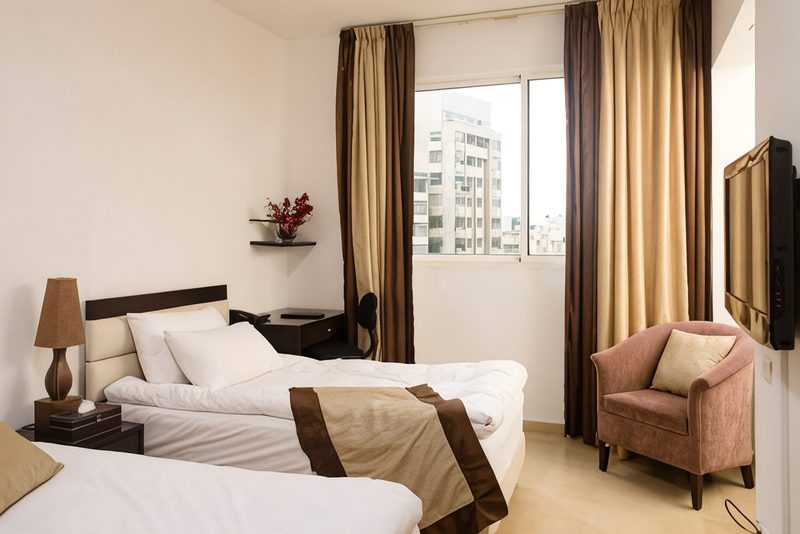
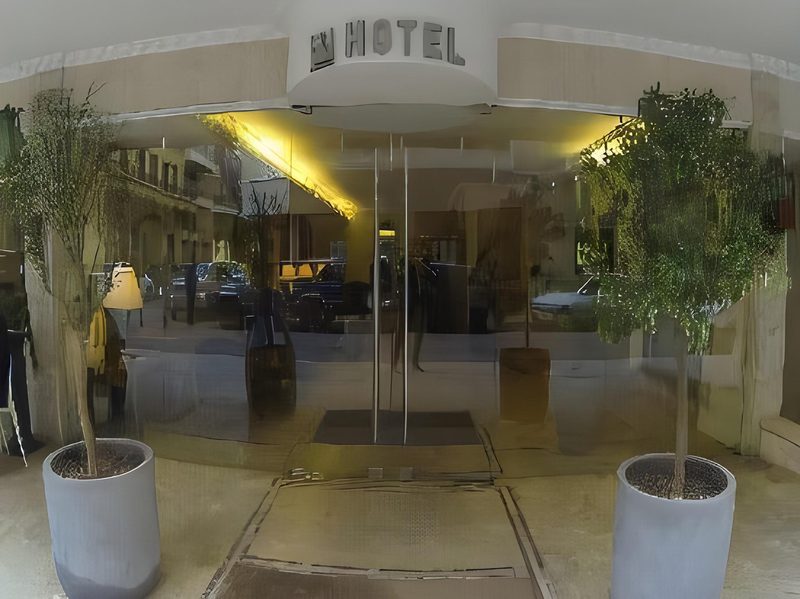
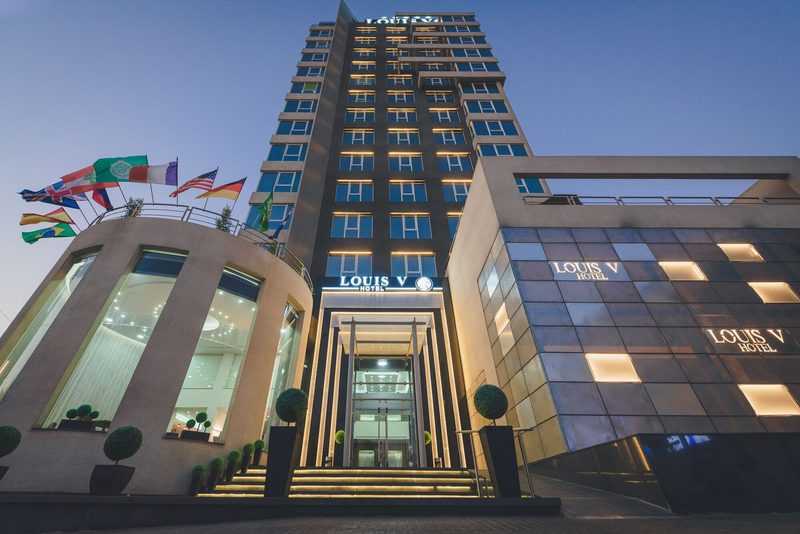
Where to Stay in Beirut in March
Hand-picked hotels across price tiers for March travellers.
Public Holidays in March
Dates that affect opening hours, transport and crowds
Eid al-Fitr
Observed nationwide as a public holiday. This date depends on observation rather than a fixed calendar, so confirm it locally closer to the time. Date not yet confirmed.
Eid al-Fitr
Observed nationwide as a public holiday. This date depends on observation rather than a fixed calendar, so confirm it locally closer to the time. Date not yet confirmed.
Feast of the Annunciation
Observed nationwide as a public holiday. Date calculated from the national holiday calendar.
Catholic Good Friday
Observed nationwide as a public holiday. Date calculated from the national holiday calendar.
Feast of the Annunciation
Observed nationwide as a public holiday. Date calculated from the national holiday calendar.
Packing Checklist
Bookmark this page — your progress is saved between visits
Need the full list with shopping links?
Climate-specific gear, brand recommendations, and what to leave at home.
View Beirut Packing List →Essential Tips
Insider knowledge and common pitfalls to avoid
Insider Knowledge
Walk the Corniche at sunset, starting from Raouche and heading northeast toward Ain el-Mreisseh. The light drops behind the Mediterranean in a way that turns the Pigeon Rocks into black silhouettes against orange water, and the promenade fills with locals doing the same thing: fishermen packing up lines, families with strollers, old men playing backgammon on folding tables they carry down from the apartments above. March evenings, cool enough for a light jacket but warm enough to stop and lean on the railing, are the right temperature to linger. This is when Beirut stops performing and just becomes a city.
The manoushe breakfast ritual is non-negotiable. Every neighbourhood has a bakery that opens before dawn and turns out flatbread folded around za'atar and olive oil, or akkawi cheese, or a mix of both, pressed on a domed saj griddle until the edges crisp and the za'atar releases a green, earthy scent that sticks to your hands. Get one from any corner bakery in Hamra or Achrafieh before 8 AM, eat it walking, and you have had the most honest meal the city offers. The dough should be warm enough to steam when you tear it open.
If you are visiting during the tail end of Ramadan or over Eid, head to the Armenian quarter of Bourj Hammoud for meals during daytime. This neighbourhood operates on its own calendar, and the food, Armenian-Lebanese with heavy emphasis on cured meats, flatbreads, and intensely spiced soujouk sausages that sizzle and pop on griddles you can hear from the street, is some of the most interesting eating in the city. March is comfortable enough to wander the low-rise blocks and let the smell of grilling meat steer you. Follow your nose.
Beirut's main tourist areas and neighbourhoods, the Corniche, Hamra, Achrafieh, Gemmayzeh, downtown, Raouche, are comparable in street-level safety to most Mediterranean cities, and the hospitality toward visitors is ingrained in Lebanese culture. The shared-ride taxi system, called service, still runs along major routes at a fraction of private cab fares: hail any passing taxi on a main road, say your destination and the word 'service,' and the driver nods or waves you off. It takes a day to learn the rhythm. But once you do, Beirut becomes navigable and affordable. Government travel advisories for Lebanon update regularly and are worth reviewing before you book, since the broader national situation can shift. But the Beirut that travellers encounter on the ground tends to look quite different from the version in the headlines.
Avoid These Mistakes
Avoid packing only for warm weather because it is the Middle East. March in Beirut is not hot. Evenings near the water drop to 12°C (54°F), the wind off the Mediterranean has bite, and if you head to Baalbek or the mountains for a day trip, temperatures at elevation run noticeably cooler still. Visitors from the Gulf or tropical climates regularly underestimate how much layering March requires here. Pack smarter.
Stay inside Beirut and skip the day trips. The city itself takes two or three days to walk thoroughly. The extraordinary sites, Jeita Grotto's underground river, Baalbek's impossible-scale Roman temples, Byblos's seven-thousand-year harbour, all sit within a one- to two-hour drive. March weather makes these trips comfortable rather than punishing. Missing them means missing Lebanon's strongest draw.
Assume all of Beirut operates on one schedule during Ramadan and Eid. The city splits roughly between Christian and Muslim neighbourhoods, each with its own rhythm. During Ramadan's final days, some restaurants in Hamra or Verdun may not serve during daylight hours. Gemmayzeh and Achrafieh carry on as usual. Over Eid, the pattern shifts. Muslim areas celebrate and some businesses close. Christian areas stay open. Neither situation poses problems if you know it is coming and plan meals accordingly.
Short on time? See day trips around Beirut on GetYourGuide.
Ready to plan your trip to Beirut?
Now that you've got the research covered, here's where to go next.
Explore More Activities in Beirut
Didn't see anything interesting yet?
Browse Viator's full catalog of tours, day trips, food experiences, and private guides in Beirut.
See All Beirut Tours on Viator