
Things to Do in Beirut in July
July weather, activities, events & insider tips
Peak Season · Premium Pricing
July Weather in Beirut
Temperature, rainfall and humidity at a glance
86°F (30°C)
High Temp
75°F (24°C)
Low Temp
0.0 inches (0 mm)
Rainfall
70%
Humidity
⚠ UV index reaches 8 through July with no cloud cover to moderate it. Prolonged sun exposure on the Corniche, at beach clubs, and on boat tours causes burns faster than most visitors expect, with water reflection amplifying exposure. Apply and reapply high-SPF sunscreen throughout the day.
⚠ Humidity combined with heat creates conditions where dehydration develops subtly. You sweat constantly but the moisture on your skin makes you feel cooler than your core temperature warrants. Drink water well beyond thirst, if walking the city or doing mountain hikes in the Qadisha Valley.
Is July Right for You?
Weigh the advantages and considerations before booking
Advantages
- + Zero rainfall and guaranteed sunshine make July one of the most reliable months for outdoor plans in Beirut. The eastern Mediterranean goes bone-dry from June through September, and July sits right in central that window. You will not lose a single day to weather. The sea temperature climbs to around 27°C (81°F), warm enough that even late-evening swims feel comfortable, and the sun does not set until nearly 8 PM, stretching the usable daylight well past dinner.
- + The Lebanese diaspora floods back in July, and the city shifts into a gear it does not hit the rest of the year. Beirut's restaurant scene, already one of the most serious in the Middle East, runs at full capacity: reservations at places like Em Sherif or Liza fill weeks ahead, rooftop bars along Gemmayze and Mar Mikhael stay open until dawn, and the Corniche promenade after sunset turns into a slow-moving parade of families, couples, and fishermen casting lines off the rocks below. The energy is not tourist-manufactured. It is a city welcoming its own people home.
- + July is peak festival season, and Lebanon's headline cultural events run through the month. The Baalbeck International Festival stages opera, orchestral performances, and Arabic music acts inside a second-century Roman temple complex that no concert hall on earth can match for atmosphere. Beiteddine Art Festival fills the Chouf Mountains with dance and world music in a nineteenth-century palace courtyard. These are not small local affairs. They draw international headliners, and the settings alone justify the trip.
- + The mountains above Beirut sit at 1,500 to 2,000 m (4,900 to 6,560 ft) and run ten to fifteen degrees cooler than the coast. On the hottest July afternoons, when the city's humidity sticks your shirt to your back, the cedar forests above Bsharri or the Qadisha Valley floor feel like a different country. The drive is under two hours from central Beirut, which means a day trip to the high country is not a logistical project but a lunch decision.
Considerations
- − The heat and humidity combination in July is not tropical-extreme, but it is persistent. Daytime highs of 30°C (86°F) with 70% humidity produce a feels-like temperature that climbs well above what the thermometer reads, and there is no afternoon rain to break the cycle the way Southeast Asian monsoons do. By 2 PM the concrete of Hamra and Downtown radiates stored heat back at you from every direction. If you overheat easily or have respiratory sensitivities, midday outdoor sightseeing in the city center will wear you out faster than you expect.
- − July is peak season and priced accordingly. Accommodation in neighborhoods like Achrafieh, Gemmayze, and Mar Mikhael books out weeks ahead at the highest rates of the year. Airport arrivals spike with diaspora traffic, and the road from Rafic Hariri International into the city, already congested by Beirut standards, can double its usual travel time on Friday evenings when families arrive for summer stays. Restaurants that take walk-ins in March require reservations in July.
- − Beirut's infrastructure, still recovering from layered crises, shows its strain most visibly in summer. Generator schedules remain a fact of life in many neighborhoods, and while major hotels and restaurants run their own backup power seamlessly, smaller guesthouses and residential rentals may experience gaps. Air conditioning draws peak load in July, and the electrical grid does not always keep pace. This is manageable with the right expectations. But travelers accustomed to uninterrupted utilities should factor it into their accommodation choices.
Best Activities in July
Top things to do during your visit
Beirut in July lives outdoors. The Mediterranean pins daytime highs near thirty degrees, and rain is essentially nonexistent. Not a single measurable millimeter falls across the entire month. That bone-dry heat, tempered by persistent coastal humidity around seventy percent, pushes the city's social life toward the waterfront and into late evening hours. By mid-afternoon the concrete of Hamra and Achrafieh radiates stored warmth. The air smells of hot asphalt mixed with charcoal smoke drifting from sidewalk shawarma grills. Locals retreat indoors until roughly five or six in the evening. Then the sea breeze arrives. The Corniche fills with walkers, joggers, families eating roasted corn from pushcart vendors, and fishermen casting lines off the rocks below. What makes a Beirut summer distinct from the cooler, rain-soaked months of December through March, when the city receives over five inches of rainfall and temperatures hover in the high teens, is the sheer availability of everything. Outdoor dining operates at full capacity. Rooftop bars in Gemmayze and Mar Mikhael stay open past dawn. The thump of bass is audible from street level. Ice clinks against glass. The waterfront promenades are navigable without dodging puddles or wind-driven spray. Day trips north along the coast or up into the mountains become practical without checking weather windows. The visibility over the sea on clear July mornings, sharp enough to trace the contour of headlands from Raouche all the way to Jounieh Bay, rewards anyone willing to rise early before the haze thickens. Beirut in high summer is not a place of contemplation. It is a city at full volume, unapologetically awake, smelling of jasmine from balcony planters and exhaust from the traffic below. For visitors weighing safety concerns, Beirut's central tourist districts, Hamra, Achrafieh, Gemmayze, Mar Mikhael, Downtown, and Raouche, are well-traveled and straightforward to navigate on foot or by taxi. The Lebanese capital's food scene alone justifies the trip. Tabbouleh comes with enough parsley to turn the bowl green. Hummus pools so smooth around the olive oil. Grilled halloumi has a squeaky chew that no export version replicates. Nights in Beirut carry their own gravitational pull. Rooftop cocktail bars give way to underground clubs where DJs spin until the call to prayer competes with the last track of the set. Accommodation options range from budget guesthouses in Hamra to seafront hotels along the Corniche. The compact geography of the city means most neighborhoods are reachable within fifteen minutes.

Paragliding Trip Over Jounieh bay
adventureParagliding over Jounieh Bay launches from the ridgeline above Harissa, roughly six hundred meters above the coast. The thermal currents in July are among the most reliable of the year. The tandem flight drops you over terraced hillsides thick with pine. Then the ground falls away entirely and the bay opens beneath you. Turquoise shallows give way to deep indigo where the continental shelf drops off. You can hear the wind shift pitch as the pilot catches a thermal. The cable car threads below look like toys strung on wire.
The combination of mountain launch altitude and a Mediterranean coastline curving below produces one of the most visually dramatic tandem paragliding flights in the eastern Mediterranean.
Insider tip: Book the earliest morning slot, ideally before nine, when thermals are smooth and the coastal haze has not yet built. Afternoon flights get choppier and the visibility over the bay diminishes noticeably.
This month: July's zero-rainfall and stable high-pressure pattern mean cancellations for weather are extremely rare compared to the November-through-March wet season, when over four inches of monthly rain can ground flights for days.

Pigeon Rocks Boat Ride Beirut (Raouche Rocks)
cruiseThe boat ride to Pigeon Rocks departs from the Raouche waterfront. It brings you face-level with the two massive limestone arches that rise from the sea just offshore. From land, the rocks are photogenic but distant. From the water, you feel the scale. The larger arch towers roughly sixty meters. The boat idles close enough that you can smell the brine crust on the stone and hear waves slapping through the natural tunnel. Swallows nest in the crevices, wheeling out in tight arcs as the engine noise approaches. The surrounding water runs a transparent pale green where the rocky shelf is shallow, shifting abruptly to a deep cobalt beyond.
Seeing Beirut's most recognizable natural landmark from sea level, close enough to touch the spray off the rock face, reframes a formation most visitors only photograph from the clifftop railing above.
Insider tip: Go in the late afternoon, around an hour before sunset, when the western light turns the limestone a warm gold and most tour groups have already returned. The boats are less crowded and photographers get dramatically better light.
This month: July seas off Raouche are reliably flat, making the close approach to the rock arches comfortable even for passengers prone to seasickness. This is a contrast to the choppier swells common in winter months.

PRIVATE Beirut Historical Walking Half Day Tour
culturalThis half-day walking tour threads through the compressed layers of Beirut's center on foot. Ottoman-era houses with triple-arched windows sit directly beside French Mandate-period buildings with wrought-iron balconies. Both are overshadowed by postwar reconstruction glass. The route typically moves through the Roman baths site near the Souks, past the Mohammad Al-Amin Mosque whose blue dome and four minarets dominate the skyline from ground level, and into neighborhoods where bullet-pocked facades from the civil war era stand unrenovated beside freshly plastered cafes. The guide narrates not from a script but from lived memory, pointing out where barricades once stood and where new galleries have opened in their place.
Walking Beirut with a local historian collapses twenty centuries of occupation, destruction, and reconstruction into a single morning that no guidebook chapter can replicate.
Insider tip: Wear shoes with good grip. Several of the older quarter streets are cobbled and uneven. July heat makes feet swell, so choose footwear a half-size loose rather than snug.
This month: The dry July heat means no rain interruptions. But temperatures above thirty degrees by late morning make the shaded sections of the route, the covered souks and interior courtyards, welcome relief. Carry water. The guide will stop but not always near vendors.

Lebanon Tour Jeita Grotto -Harissa & Byblos Castle, pickup+Guide
guided_experienceThis guided day trip strings together three of Lebanon's most concentrated landmarks north of Beirut. Jeita Grotto's upper gallery is a cool limestone cathedral of stalactites and stalagmites lit in pale blues and ambers. The temperature inside hovers around fifteen degrees year-round, a sharp shock after the July heat outside. The drip of mineral water echoing off the vault ceiling is the only sound. Harissa's hilltop statue of Our Lady of Lebanon stands on a promontory overlooking Jounieh Bay. On a clear July morning the view stretches south past the port cranes of Beirut itself. Byblos, one of the oldest continuously inhabited cities on earth, delivers a Crusader castle whose massive stone blocks radiate stored heat under your palms and a Roman colonnade where the smell of wild thyme growing between the paving stones intensifies in the afternoon sun.
Three sites that individually justify a half-day each are compressed into a single guided circuit, and the climate contrast, scorching coast to cool underground cavern to wind-swept hilltop, keeps the sensory register shifting all day.
Insider tip: At Jeita Grotto, the lower cave boat ride closes when water levels are too high, typically in the wet season from December through April. July's bone-dry conditions virtually guarantee both galleries are open, so confirm with your guide that the boat ride is included.
This month: July's zero rainfall keeps water levels in Jeita Grotto's lower cave well within the threshold for the boat ride, which is routinely suspended during the heavy-rain months of January and February when runoff swells the underground river.

Jeita Grotto, Byblos and Harissa Full-Day Tour from Beirut
day_tripThis full-day loop from Beirut covers the same trio of Jeita Grotto, Byblos, and Harissa but runs as a group departure rather than a private vehicle, which changes the social texture of the day. The minibus picks up from central Beirut hotels and the drive north along the coastal highway passes through Jounieh's waterfront strip, a corridor of beach clubs, apartment towers, and the Casino du Liban sign visible from the road. At Byblos, the group format means you walk the Crusader castle and the ancient harbor together with a guide who narrates the Phoenician, Roman, and medieval layers compressed into a few hundred meters of excavation. The harbor itself is a crescent of weathered stone where small fishing boats knock against each other in the swell, the smell of diesel and salt inseparable.
The group format and structured itinerary make this the most efficient way to reach three geographically spread landmarks in a single day without navigating Lebanese traffic or negotiating with taxi drivers.
Insider tip: Sit on the right side of the minibus heading north for unobstructed coastal views. On the return, switch to the left for the sunset angle over the Mediterranean as the highway curves back toward Beirut.

Private Lebanese Cooking Class in Beirut with Amal + Transfers
foodThe cooking class operates out of a residential kitchen in Beirut where Amal, the host, teaches Lebanese home cooking. Not restaurant cooking. That is an important distinction. The session typically covers dishes like kibbeh, cracked wheat and spiced lamb pounded in a stone mortar until the texture goes silky, fattoush with sumac-dusted pita shards that shatter between your teeth, and a slow-cooked stew whose exact composition shifts with what Amal found at the morning market. The kitchen smells of toasted pine nuts and garlic crushed with salt. The sound of a pestle striking the mortar sets the rhythm for the first hour. You eat everything you make, seated at a table that feels borrowed from someone's grandmother's dining room. The transfers included in the experience mean you do not need to navigate to and from the neighborhood yourself.
Learning to cook Lebanese food in a Lebanese home, with market-sourced ingredients and techniques passed through family rather than culinary school, produces dishes you can replicate and a sensory memory no restaurant meal provides.
Insider tip: Tell Amal about dietary restrictions when you book, not on arrival. She adjusts the entire menu and shops accordingly. Last-minute changes mean she cannot source the right substitutions from her preferred vendors.
Where to Stay in Beirut in July
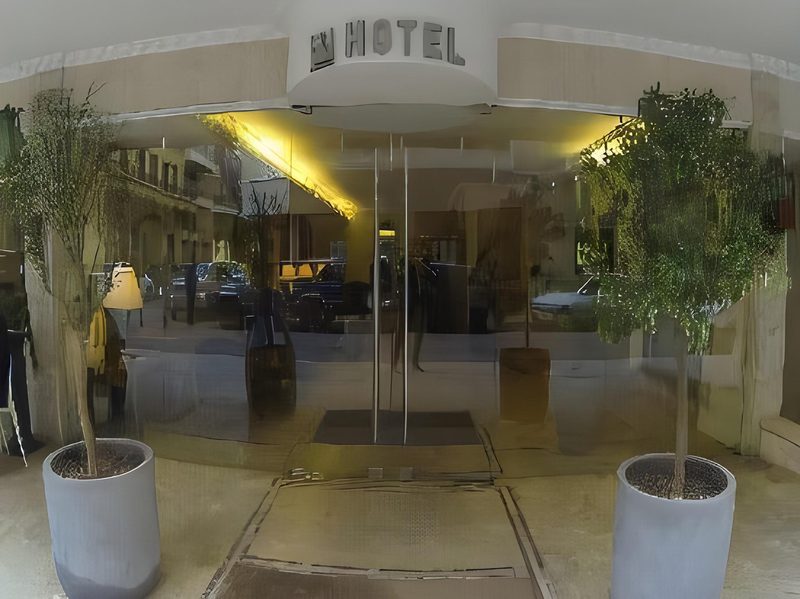
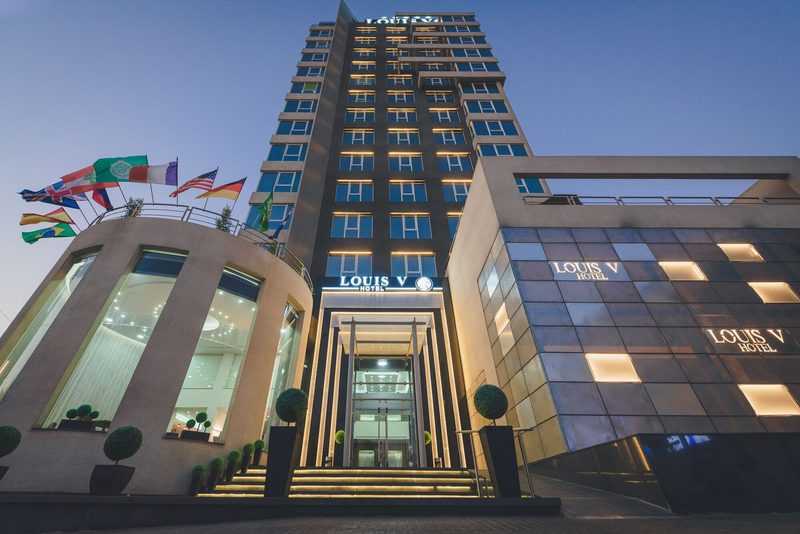
Hand-picked hotels across price tiers for July travellers.
Packing Checklist
Bookmark this page — your progress is saved between visits
Need the full list with shopping links?
Climate-specific gear, brand recommendations, and what to leave at home.
View Beirut Packing List →Essential Tips
Insider knowledge and common pitfalls to avoid
Insider Knowledge
The Corniche seafront walk is best done between 6 and 7 AM or after 7 PM. In between, the exposed concrete promenade absorbs and radiates heat with no shade for its entire 4.8 km (3 mile) length. Early morning is when the fishermen set up along the rocks below, the elderly couples do their daily walk, and the city smells of salt air and Arabic coffee from the carts setting up for the day. Sunset brings the argileh (water pipe) smokers, the corn-on-the-cob vendors, and families settling in on blankets with mana'eesh wraps.
Lebanese service taxis, the shared rides that run fixed routes for a fraction of private-taxi fares, still operate in July 2027 alongside ride-hailing apps. Hold your hand out on any major road, say your destination, and the driver either nods or does not. It is chaotic and efficient in equal measure. The driver will not tell you the fare in advance because it is understood. Ask a local at your accommodation for the current going rate on your route before you get in.
Friday brunch is a cultural institution in Beirut that operates more like a five-hour social event than a meal. In July, the ones worth seeking out are the open-air versions in the mountains above the city, around Broummana and Beit Mery, where the temperature is cooler and the views stretch from the coast to the snowless peaks of Mount Sannine. Reservations are mandatory for any Friday between mid-June and mid-September.
The electricity situation means you should confirm your accommodation's generator arrangement before booking. Properties in Achrafieh and Gemmayze on newer generators will be smooth. Older buildings in Hamra may have gaps between state power and generator switchover, which means your air conditioning drops out for five to ten minutes at unpredictable intervals. In 30°C (86°F) nights, those minutes matter. Ask directly. Hosts will tell you honestly.
Avoid These Mistakes
Underestimating the midday heat in the city center and scheduling outdoor sightseeing between noon and 3 PM. Beirut's urban core, the reconstructed Downtown district, is concrete and glass with minimal tree cover. The temperature difference between a shaded Gemmayze side street and an open Downtown plaza at 1 PM can feel like 8-10°C (15-18°F). Locals disappear indoors during these hours for a reason. Plan museums, long lunches, or mountain trips for the hot middle of the day and save the street-level walking for morning and evening.
Assuming Beirut runs on a European schedule. Dinner before 9 PM marks you as a tourist in July. Restaurants hit their stride at 10 PM, bars do not fill until midnight, and the serious nightlife in Mar Mikhael and Badaro does not peak until 1 or 2 AM. If you eat at 7 PM you will be seated alone in an empty dining room with the staff still setting up. Adjust your internal clock: late breakfast, long lunch, rest, late dinner, and the city will make sense.
Packing only beach gear and being unable to enter cultural sites or attend evening events. Beirut in July is not a resort town. It is a cosmopolitan city with an active cultural calendar, and the dress code for festival performances, rooftop bars, and restaurant terraces ranges from smart casual to polished. One pair of proper shoes and one outfit that works for a seated evening event will open doors that flip-flops close.
Ready to plan your trip to Beirut?
Now that you've got the research covered, here's where to go next.
Explore More Activities in Beirut
Didn't see anything interesting yet?
Browse Viator's full catalog of tours, day trips, food experiences, and private guides in Beirut.
See All Beirut Tours on Viator