Things to Do in Beirut in November
November weather, activities, events & insider tips
Low Season · Budget Friendly
November Weather in Beirut
Long-run averages for November
73°F (23°C)
High Temp
61°F (16°C)
Low Temp
4.5 inches (114 mm)
Rainfall
57%
Humidity
3
Sunny-Day UV
⚠ Mediterranean storms can arrive with little warning. They deliver heavy rain in short, intense bursts. Low-lying areas in parts of Beirut, near the old river channels, can experience localised flooding during the heaviest downpours. Keep an eye on the sky in the afternoon. Avoid walking through standing water on streets where drainage infrastructure is unreliable.
⚠ Mountain roads above Beirut, toward the Cedars and upper Chouf, can become slippery and occasionally fog-bound in November. If you are driving to higher elevations above 1,500 m (4,920 ft), check conditions before departing. Allow extra time for reduced visibility.
Making the most of November in Beirut? Browse tours and activities in Beirut on GetYourGuide.
Is November Right for You?
Weigh the advantages and considerations before booking
Advantages
- + November temperatures hover around 23°C (73°F) during the day, which is the sweet spot for walking the Corniche, climbing through Byblos, or getting lost in the Armenian quarter of Bourj Hammoud without the punishing summer heat that empties Beirut's streets by noon from June through September. Mornings break cool enough for a light jacket, and by midday the sun warms stone walls until they radiate back at you.
- + Olive harvest season transforms the coastal mountains above Beirut in November. Fresh-pressed oil, thick and green with a peppery bite at the back of the throat, appears on breakfast tables across the city alongside pomegranates split open to show their garnet seeds, the first citrus of the year, and kaak bread sellers wheeling their glass-sided carts through Hamra at dawn.
- + Crowds thin dramatically once the Mediterranean cools. The tour buses that clog Jeita Grotto and the Byblos harbour through July and August are largely gone, and Beirut's National Museum, one of the finest archaeological collections in the Middle East, becomes a place where you can stand in front of the Phoenician sarcophagi without someone's selfie stick in your peripheral vision.
- + Lebanese Independence Day on November 22 turns the city into a display of national pride that is moving to witness. Cedar flags hang from apartment balconies in Hamra and Achrafieh, military parades roll through downtown, and the evening brings fireworks over the Mediterranean. It is one of the few days when Beirut's political fractures go briefly quiet and the city feels unified.
Considerations
- − The rain is real and arrives without much warning. November averages 114 mm (4.5 inches) of rainfall, a sharp jump from October's 61 mm (2.4 inches), and Mediterranean storms tend to arrive as concentrated downpours rather than London-style drizzle. Steep streets in Achrafieh and Gemmayzeh become temporary streams, and any outdoor plan needs a backup.
- − Sunset drops to around 4:45 PM, which cuts into afternoon sightseeing more than most visitors expect. The golden-hour light on the Corniche that summer photographers chase is compressed into a narrow window, and the coast loses its warm glow earlier than you would like.
- − Beach season is effectively finished. The Mediterranean cools to roughly 22°C (72°F), and while a handful of locals still swim at Ramlet el-Baida, the beach clubs that define Beirut's summer social life are shuttered or running at a fraction of capacity. If your image of Beirut involves rooftop pools and shoreline lounging, come in July.
Settled on November? Compare hotel prices in Beirut for your dates on Trip.com.
Best Activities in November
Top things to do during your visit
November strips away the heavy heat that smothers Beirut through summer and replaces it with something gentler. Daytime temperatures settle around 23 degrees Celsius, warm enough for a long waterfront walk along the Corniche without the sweat-soaked lethargy of July, cool enough by evening, lows near 16 degrees, to warrant a light jacket over your shoulders as you settle into a sidewalk table in Gemmayze. The air carries the mineral tang of approaching rain; November brings roughly 114 millimetres of precipitation, a sharp climb from October's drier skies. Showers tend to arrive in sudden, theatrical bursts that send pedestrians ducking under awnings, then clear just as quickly, leaving the limestone facades of Achrafieh gleaming wet and the scent of damp cedar mulch drifting up from planters along Rue Monot. This is a shoulder month, and the city's rhythms shift accordingly. Beach clubs along Ramlet el-Baida wind down their seasons, their white loungers stacked and sheeted. But the restaurants lining Mar Mikhael keep their doors wide open, the clatter of meze plates and the hiss of garlic hitting hot olive oil spilling out onto the pavement every evening. Beirut's food culture operates year-round, corner bakeries still pull trays of golden man'oushe from stone ovens before dawn, and juice vendors along Hamra Street still stack pyramids of blood oranges just coming into season. For visitors weighing when to come, November sits in a productive middle ground: the Mediterranean is no longer at its peak for swimming. But every inland excursion, the Qadisha Valley, the Cedars, the mountain villages, becomes more comfortable without the summer glare, and the autumn light over the coast turns the sea a deeper, more saturated blue than the bleached turquoise of August. Accommodation is easier to secure and often more affordable than in the high summer months. The city's hotel districts, Hamra for its university-quarter energy, Achrafieh for its stone-walled boutique properties, Downtown for proximity to the archaeological sites, all have availability that vanishes in July. Beirut after dark remains as electric as its reputation suggests: rooftop bars in Saifi Village fill steadily after nine, live music venues in Badaro push past midnight, and the neon-lit strip along Armenia Street hums with conversation and the clink of arak glasses well into the small hours. Safety conditions should be checked with current advisories before travel. But the city's hospitality infrastructure, from five-star waterfront towers to family-run guesthouses in the old quarters, continues to operate with a professionalism born of decades of welcoming the world.

Paragliding Trip Over Jounieh bay
adventureThe launch site sits on the ridge above Jounieh Bay, north of Beirut, where thermals rise off the sun-warmed slopes of Harissa and the Mediterranean stretches out below in an unbroken sheet of deep cobalt. A tandem paragliding flight from here sends you off a grassy ledge and into a silence broken only by the snap of nylon and the whistle of wind past your harness, the entire sweep of the bay, red-roofed villages, the white statue of Our Lady of Lebanon on its promontory, container ships queued for port, laid out beneath your feet. The descent spirals over the Jounieh marina, close enough to catch the salt-sharp scent of the water before you touch down on the beach.
The aerial view of the Lebanese coastline from Harissa to Beirut is a perspective no ground-level visit can replicate, and tandem flight requires zero experience.
Insider tip: Ask your pilot to fly the longer coastal route rather than the direct descent, most will oblige if wind conditions allow, and the extended glide over the bay doubles the time aloft.
This month: November's cooler air temperatures and shifting winds can occasionally ground flights. Operators typically confirm conditions the morning of, so keep a flexible backup plan.

Pigeon Rocks Boat Ride Beirut (Raouche Rocks)
cruiseThe Raouche Rocks rise from the sea off Beirut's western shore like two massive sandstone arches abandoned by a retreating coastline, their surfaces streaked ochre and grey, carved into hollows and ledges by millennia of salt spray. A boat ride brings you directly beneath them, close enough to feel the cool mist bouncing off their bases and hear the hollow boom of waves pushing through the natural arch. From water level, the scale is disorienting, the main arch stands roughly 40 metres high, and the cliffs behind it are honeycombed with sea caves where the water shifts from transparent green to ink-dark in the space of a few metres.
Seeing the Pigeon Rocks from the Corniche railing is standard. Seeing them from a boat, with the spray on your face and the caves opening around you, is the version that stays in memory.
Insider tip: Sit on the port side of the boat for the best angle as it approaches the arch, and bring a waterproof layer, the spray near the rock base is heavier than it looks, in November's choppier seas.
This month: Swells increase in November compared to the glassy summer months, which can make the ride rougher but also more dramatic as waves crash through the arch with real force.

Private Lebanese Cooking Class in Beirut with Amal + Transfers
foodThis is not a demonstration kitchen or a staged performance. A private cooking class with Amal takes place in a real Beirut home, the kind where the walls have absorbed decades of cumin and allspice and the pantry holds unlabeled jars of dried mint and pomegranate molasses. You work through a full Lebanese spread, rolling kibbeh by hand until the bulgur shell is thin enough to see your fingers through, folding fatayer into tight triangles, whisking tahini into a sauce so smooth it ribbons off the spoon. The smell of roasting pine nuts and browning lamb fills every room, and you eat what you cook at the family table, tearing warm bread and spooning hummus still warm from the blender.
Beirut's food is inseparable from its identity, and learning to cook it in a home kitchen, not a hotel ballroom, connects you to the domestic tradition that no restaurant can fully reproduce.
Insider tip: Ask Amal to include tabbouleh preparation, the ratio of parsley to bulgur in a proper Lebanese tabbouleh is the inverse of what most visitors expect, and getting it right at the source recalibrates your palate permanently.

Private Trip to Qadisha Valley, Bcharri and Cedars of God
otherThe road north from Beirut climbs into the Mount Lebanon range and drops into the Qadisha Valley, a gorge so deep and narrow that its monasteries, some carved directly into the cliff face, survived centuries of persecution simply because no army could reach them. In November, the valley's walnut and poplar trees shift to rust and gold, and the air at elevation carries a clean, resinous bite that is entirely absent from the coastal lowlands. The route continues to Bcharri, the stone-built hometown of Khalil Gibran perched on the valley rim, and then higher still to the Cedars of God, a grove of ancient trees, some older than a thousand years, whose massive, spreading canopies smell of warm wood and sap even in the cooling autumn air.
The Qadisha Valley is a UNESCO World Heritage Site and one of the longest continuously inhabited monastic settlements on earth, and the Cedars of God are the last remnant of forests that once covered these mountains.
Insider tip: Wear sturdy shoes with grip, the stone paths down to the valley-floor monasteries are slick when wet, and November rain makes them treacherous in spots. A walking stick from one of the Bcharri shops is not a tourist prop. Locals carry them.
This month: Autumn colour in the Qadisha Valley peaks in late October through November, with walnut and fruit trees turning before the higher-altitude cedars. Early snow is possible at the Cedar grove elevation by late November.

Paragliding activity in Lebanon
adventureA second paragliding option launches from sites along the Lebanese coast, and the experience differs from the Jounieh flight in its flexibility, operators select the launch point based on the day's wind patterns, which means your flight path might trace a different stretch of coastline entirely. The sensation is the same controlled free-fall: the ground drops away, the thrum of the canopy steadies overhead, and suddenly you are suspended in a column of rising air with the terraced hillsides and coastal highway shrinking to miniature below. The cool November air at altitude feels sharp against your cheeks, and the visibility on clear days extends past the curve of the bay to the hazy outline of headlands further north.
Wind-dependent launch site selection means this flight adapts to conditions rather than fighting them, often producing longer and smoother glides than fixed-site operations.
Insider tip: Wear close-toed shoes and long trousers, launches from gravel or scrub hillsides will scuff exposed skin, and operators may decline to fly passengers in sandals.
This month: November wind patterns are less predictable than summer's steady onshore breezes, so confirm with the operator the evening before and expect the possibility of a weather postponement.

Small Group Tour: Jeita Grotto, Harissa, Byblos with Hotel Pickup
guided_experienceThis day trip stitches together three of Lebanon's most concentrated sites into a single arc north of Beirut. Jeita Grotto is the anchor: a two-tier cave system where the upper galleries are walked on foot past curtains of stalactites still wet and glistening under coloured lights, and the lower grotto is navigated by flat-bottomed boat along an underground river so still that the limestone formations reflect well in the dark water. The air inside holds a damp, mineral coolness that feels ten degrees below the surface, and every sound, the drip of water, the creak of the boat, echoes off vaulted ceilings. The final stop is Byblos, one of the oldest continuously inhabited cities on earth, its Crusader castle and Phoenician temple ruins sitting directly above a small fishing harbour where colourful wooden boats knock gently against stone quays.
Three sites that would each justify a standalone visit, an underground river, a coastal panorama, and a seven-thousand-year-old port city, compressed into a single guided day without the logistical headache of arranging transport between them.
Insider tip: At Byblos, walk past the main souk entrance and follow the harbour wall south to the smaller fishermen's stalls, the fried fish sandwiches served there, still hot and flaky with a squeeze of lemon, are better and cheaper than anything in the tourist restaurants above.
This month: The lower grotto at Jeita occasionally closes when winter rains raise the underground river level beyond safe boating thresholds. November sits at the start of this risk window, check with the operator or the grotto's official channels the day before your visit.
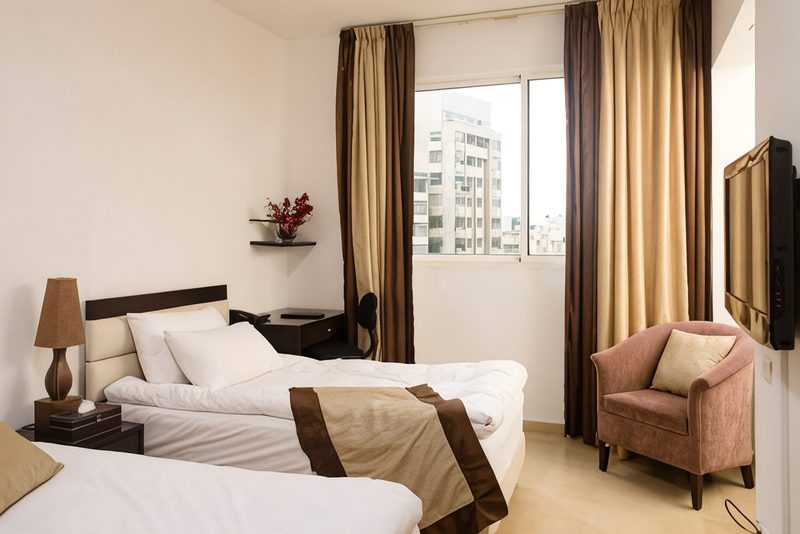
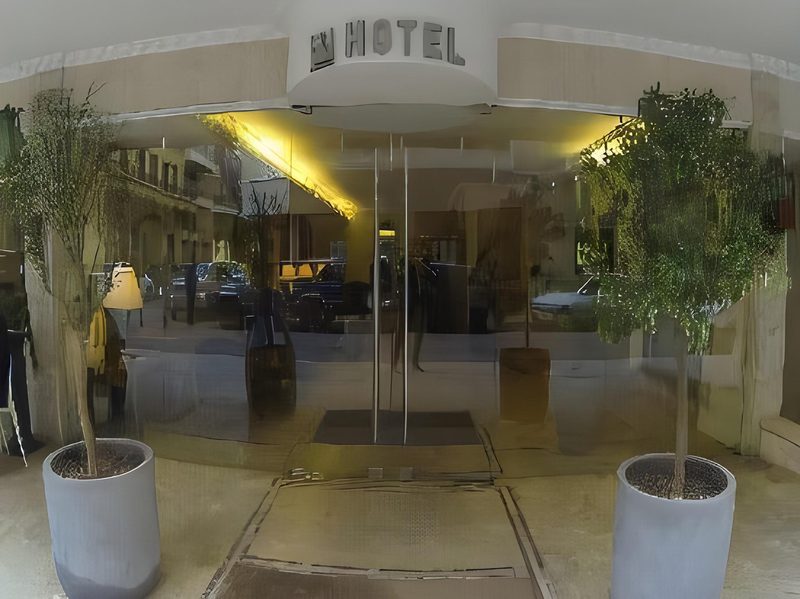
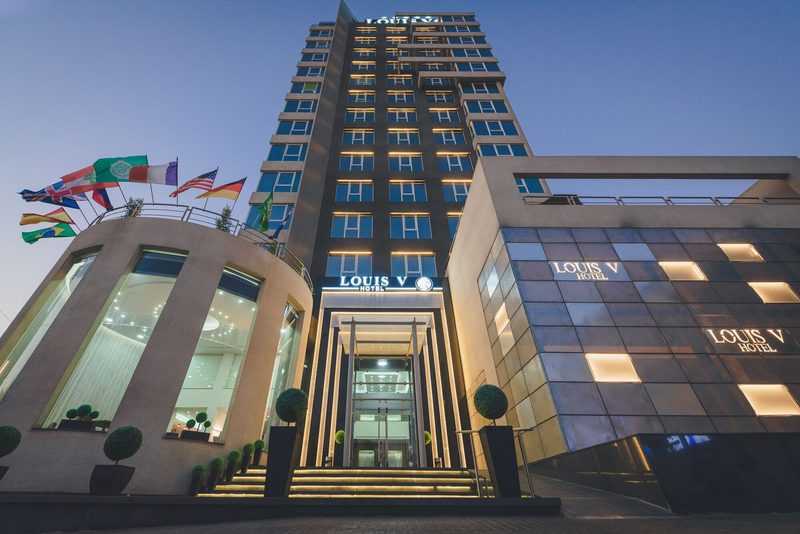
Where to Stay in Beirut in November
Hand-picked hotels across price tiers for November travellers.
Public Holidays in November
Dates that affect opening hours, transport and crowds
Independence Day
Observed nationwide as a public holiday. Date calculated from the national holiday calendar.
Independence Day
Observed nationwide as a public holiday. Date calculated from the national holiday calendar.
Independence Day
Observed nationwide as a public holiday. Date calculated from the national holiday calendar.
Packing Checklist
Bookmark this page — your progress is saved between visits
Need the full list with shopping links?
Climate-specific gear, brand recommendations, and what to leave at home.
View Beirut Packing List →Essential Tips
Insider knowledge and common pitfalls to avoid
Insider Knowledge
The neighbourhood question matters more than the hotel question in Beirut. Hamra, on the western side, is the intellectual heart of the city, full of bookshops, old cafes where backgammon boards clatter on marble tables, and the American University campus that anchors the area. Achrafieh, on the eastern hills, has steeper streets, better views, and some of the city's most interesting dining concentrated along its staircases and alleyways. Gemmayzeh has the densest nightlife per square metre of any neighbourhood in the eastern Mediterranean, though it is still recovering from the 2020 port explosion damage and you should check the current state of specific blocks before committing. Downtown, the Solidere-rebuilt central district, is architecturally polished but can feel sterile compared to the organic chaos of the older quarters.
Beirut's safety profile is complex, and anyone who gives you a simple answer is not being honest. The city itself has historically been significantly safer for visitors than its reputation suggests, with street-level crime comparable to most southern European capitals. The real variables are geopolitical and can shift faster than guidebooks update. Check your government's travel advisory before booking, monitor conditions in the weeks before departure, and understand that areas south of the Litani River and parts of the Bekaa Valley carry different risk profiles than central Beirut. Practical street sense applies everywhere: do not photograph military checkpoints, stay aware of your surroundings in crowded areas, and keep your embassy's emergency number accessible.
Lebanese food in November takes on a seasonal depth that summer menus lack. The olive harvest means fresh zaatar mixed with new-press oil on your morning manoushe, the flatbread that bakeries across the city press onto domed ovens at 6 AM, filling entire blocks with the smell of toasted thyme and sesame. Pomegranate molasses, tangy and almost wine-dark, gets drizzled over everything from fatteh to grilled halloumi. Barbar, the legendary late-night shawarma institution that has been feeding Beirut since the 1970s, runs around the clock, and at 2 AM after a night in Gemmayzeh the line is half the experience.
November evenings in Beirut are when the city's cafe culture hits its stride. The rooftop bar scene that dominates summer moves indoors to places where arak is poured over ice until it clouds white, mezze plates cover every centimetre of the table, and conversations run past midnight without anyone checking the time. The Lebanese habit of ordering far more food than any table can finish is not performative generosity. It is an embedded social ritual, and if you are invited to someone's home, arriving hungry is both expected and wise. Nightlife in Gemmayzeh and what remains of Mar Mikhael starts late by any standard, rarely before 10 PM, and runs until 3 or 4 AM on weekends.
Avoid These Mistakes
Assuming November is too cold or too rainy to enjoy Beirut. Travellers from northern Europe or North America often pack for winter and arrive to find sunny 23°C (73°F) afternoons where a T-shirt is well comfortable. The rain is intermittent, not constant, and many of November's days are clear and bright between storms. Overpacking for cold weather means lugging a suitcase full of clothes you will never wear.
Trying to combine Beirut with day trips to Baalbek or southern Lebanon without checking current security conditions. The Bekaa Valley and the south carry risk profiles that are distinct from Beirut proper, and conditions can change rapidly. What was accessible last month may not be this month. Always verify before committing to itineraries beyond the greater Beirut and Mount Lebanon corridor.
Schedule every outdoor activity for the morning. November rain in Beirut, when it comes, tends to favour the second half of the day. Mornings are more reliably clear. The light is better for photography anyway. Front-load your outdoor plans before noon. Save museums, the National Museum's Phoenician collection, and indoor dining for the afternoon. You will lose far fewer hours to weather than travellers who plan the other way around.
Short on time? See day trips around Beirut on GetYourGuide.
Ready to plan your trip to Beirut?
Now that you've got the research covered, here's where to go next.
Explore More Activities in Beirut
Didn't see anything interesting yet?
Browse Viator's full catalog of tours, day trips, food experiences, and private guides in Beirut.
See All Beirut Tours on Viator