Things to Do in Beirut in October
October weather, activities, events & insider tips
Shoulder Season · Good Value
October Weather in Beirut
Long-run averages for October
81°F (27°C)
High Temp
69°F (21°C)
Low Temp
2.4 inches (61 mm)
Rainfall
56%
Humidity
6
Sunny-Day UV
⚠ October marks the return of Mediterranean storms after five dry months. These tend to arrive as intense, concentrated downpours rather than steady drizzle, and Beirut's damaged drainage infrastructure means localised street flooding in low-lying areas, around the port zone, coastal Hamra, and parts of the southern approach roads. The storms typically pass within an hour. But they can strand you without shelter if you are mid-walk between neighbourhoods. Carry a rain jacket and keep your phone in a waterproof case on days when cloud builds over the mountains to the east.
Making the most of October in Beirut? Browse tours and activities in Beirut on GetYourGuide.
Is October Right for You?
Weigh the advantages and considerations before booking
Advantages
- + October breaks Beirut's five-month summer siege. The highs ease down to 27°C (81°F) from July's punishing 30°C (86°F). For the first time since May, the city becomes walkable in the afternoon. The Corniche promenade, which empties in August when concrete radiates stored heat back at you, fills again with joggers and families dragging plastic chairs to the railing. They come to watch the sun drop behind Raouche. The air loses that heavy, salt-sticky quality. At 56% humidity, it turns dry enough that you can spend three or four hours on foot through Gemmayzeh and Achrafieh without wilting.
- + Shoulder season pricing works in your favour. Beirut's accommodation costs spike in July and August when the Gulf diaspora arrives, and again briefly around December holidays. October sits in the valley between. You will likely find rates noticeably lower than peak summer across most neighbourhoods. Booking two to three weeks ahead is usually sufficient for good options. In summer you would need double that lead time.
- + The Bekaa Valley grape harvest is underway. October is the window when Lebanon's winemaking families are most active and most welcoming. Chateau Musar, Chateau Ksara, Chateau Kefraya, and the smaller organic producers around Zahle are all pressing fruit through the month. The drive from Beirut across the Mount Lebanon range and down into the valley floor takes roughly ninety minutes. The temperature shift when you descend into the Bekaa is immediate and startling. Cooler and drier at about 900 m (2,950 ft) elevation.
- + The first autumn rains transform the mountains visible from Beirut's eastern edge. The Qadisha Valley and the cedar reserves above Bsharri begin to green up after months of brown. The light shifts to a softer Mediterranean gold that summer haze suppresses. Day trips to Byblos, Batroun, and Harissa are at their most comfortable now. Warm enough for a linen shirt. Cool enough that you are not hiding from the sun by noon.
Considerations
- − October marks the end of Beirut's long dry spell. The first Mediterranean storms arrive without much warning. When they hit, the rain can be concentrated and heavy. The city's drainage infrastructure, never fully repaired after years of deferred maintenance, struggles. Low-lying streets around the port zone and parts of Hamra can flood briefly during intense downpours. A twenty-minute walk becomes a wade. The storms pass quickly. They can derail an afternoon if you are caught without a plan B.
- − Lebanon's political and economic situation remains fluid. Any honest guide has to say so plainly. The country has endured overlapping crises since 2019. The currency has lost most of its value. Infrastructure from electricity to water operates on a patchwork of generators, private suppliers, and improvisation. Beirut is navigable and welcoming. It requires a higher baseline of situational awareness than most Mediterranean destinations. Check your government's travel advisory before booking. Register with your embassy on arrival.
- − The beach season is winding down by mid-October. The Mediterranean is still swimmable at roughly 25°C (77°F) early in the month. The beach clubs that dot the coast from Beirut north to Jounieh start reducing hours or closing for the season. If your trip centres on beach days, you are better off in September. Or even late May.
Settled on October? Compare hotel prices in Beirut for your dates on Trip.com.
Best Activities in October
Top things to do during your visit
October hits Beirut like relief. Daytime temperatures settle around 27 degrees Celsius, warm enough for the city's rocky shoreline to remain inviting but cool enough that walking the steep lanes of Gemmayzeh or Achrafieh no longer leaves you wrung out by noon. The sea, still holding summer's warmth, glows a heavy teal against the chalky cliffs south of Raouche. The late-afternoon light turns the Ottoman-era facades along Rue Gouraud the color of raw honey. By evening, a breeze carrying the salt-and-diesel smell of the Corniche sweeps through the open-front restaurants of Mar Mikhael. The crack and sizzle of grilling halloumi competes with the hum of traffic and the distant thud of music from the bars a few streets over. The rains are beginning to return after a bone-dry summer. October averages about 61 millimeters of rainfall, a fraction of what November and December will bring, so most days are still clear and bright. When a shower does arrive, it is usually short and theatrical, hammering the tin rooftops of Bourj Hammoud and leaving the pavement steaming. The shift is enough to green the hills above the city. Day trips into the mountains, to the Qadisha Valley and the cedars, feel noticeably cooler and sharper in contrast to the coast. Beirut's food scene, famous for its raw-garlic punch and its obsessive devotion to freshness, operates at full tilt. The nightlife, concentrated in Gemmayzeh, Mar Mikhael, and the waterfront venues of Zaitunay Bay, runs late and loud. Thursday through Saturday, the narrow streets fill with the smell of charcoal-grilled meat, spilled arak, and the sweet tobacco of nargileh smoke curling from sidewalk cafes. October sits in a favorable window for those weighing when to visit Lebanon. The summer crowds have thinned. The coast is still swimmable. The mountains are accessible before winter snowfall closes the highest roads. Neighborhoods like Achrafieh reward slow wandering, where crumbling French Mandate-era villas sit beside polished new galleries, and the sound of a muezzin's call layers over church bells from the Maronite quarter. The city resists easy summary. In October it is readable, navigable, and generous with its pleasures.

Paragliding Trip Over Jounieh bay
adventureThe launch site sits on a ridge above Jounieh, the coastal town arcing north of Beirut. From the moment the canopy fills and your feet leave the scrubby red earth, the entire bay develops beneath you. You see the deep indigo of the open Mediterranean breaking against the pale crescent of shoreline, the amber-roofed apartment blocks climbing the hillside, and the distant haze where Beirut's skyline meets the water. A tandem paragliding flight here typically lasts fifteen to twenty minutes. The silence at altitude, broken only by the snap of the wing fabric and the rush of warm thermals, is a stark counterpoint to the car-horn chaos of the coast road below. On descent, pilots often spiral low over the water, close enough that you can smell the brine and feel the cooler air lifting off the surface before touching down on the beach.
The Jounieh bay flight line offers one of the few places in the eastern Mediterranean where a single glide takes you from mountain scrubland to open sea, with Beirut's entire coastal sprawl visible in a single frame.
Insider tip: Book the earliest morning slot. Winds off the water are steadiest before noon, and the low sun throws longer shadows across the mountains, making for dramatically better photographs.
This month: October's average high of 27 degrees Celsius and the transition from summer's stable thermals to autumn's slightly more variable winds typically produce smooth, predictable flying conditions along this coast.

Pigeon Rocks Boat Ride Beirut (Raouche Rocks)
cruiseThe Pigeon Rocks, two massive limestone arches jutting from the sea off the Raouche promenade, are Beirut's most photographed natural landmark. Seeing them from the clifftop walkway tells only half the story. From a small boat, you pass close enough to hear the water sucking and booming through the sea caves at the base of the arches. The scale of the formations, streaked with white guano and crusted with barnacles, becomes visceral rather than scenic. The boat threads between the rocks, where the water shifts from turquoise to an almost black depth, and the cool spray carries the mineral tang of ancient limestone. Schools of small silver fish scatter as the hull passes, catching the light in quick flashes below the surface.
The boat approach reveals the Pigeon Rocks' full geological drama, including the sea caves and tidal shelves invisible from the Raouche clifftop, at a fraction of the cost of most coastal excursions.
Insider tip: Go in the late afternoon when the western sun lights the rock faces directly and the tourist clusters on the cliff above have thinned. The boatmen are more willing to linger near the caves when there is no queue behind you.

Private Lebanese Cooking Class in Beirut with Amal + Transfers
foodAmal's kitchen sits in a residential quarter of Beirut, away from the restaurant strip. The session begins not with a recipe card but with a trip to a local produce vendor where she picks through bundles of flat-leaf parsley, sniffing for the peppery bite that separates yesterday's cut from this morning's. Back in her kitchen, the work is hands-on and unhurried. You pound raw garlic into a morite paste for toum, the emulsified sauce so aggressively sharp it clears your sinuses. You roll kibbeh into tight footballs with a thin shell that shatters audibly when fried. You fold grape leaves around a fragrant rice filling scented with allspice and a squeeze of lemon that makes your mouth water before the first bite. The transfers included in the experience mean you are delivered back to your hotel smelling pleasantly of olive oil and sumac, carrying leftover flatbread wrapped in foil.
This is not a demonstration kitchen but a working one, where the techniques, the garlic-heavy flavor profile, and the hospitality reflect how Lebanese home cooking operates, not how it gets softened for tourists.
Insider tip: Ask Amal to show you her method for toum. It is the foundation sauce of Lebanese cooking, and her ratio of garlic to oil produces a version far more potent than any restaurant will serve.

Private Trip to Qadisha Valley, Bcharri and Cedars of God
otherThe road from Beirut climbs fast. Within ninety minutes the warm coastal air gives way to something cooler and sharper as the Qadisha Valley opens below, a deep, steep-walled gorge where centuries-old monasteries cling to the cliff faces like wasps' nests, half-hidden by juniper and wild oak. The valley floor, reached by a switchback trail, is quiet enough to hear the Qadisha River running over smooth stones and the call of jays echoing off the rock walls. From Bcharri, the hometown of Khalil Gibran, the route continues upward to the Cedars of God, a grove of ancient trees with massive, gnarled trunks that smell of warm resin and whose flat, layered canopies cast a dense, cool shade. Some of these cedars are over a thousand years old. Standing among them, with the wind moving through the branches in a low, sustained hiss, the grove feels more like a cathedral than a forest.
This single day trip compresses three of Lebanon's most significant landscapes, from the monastic gorge of Qadisha to the ancient cedar grove, into a route that would take days to piece together independently.
Insider tip: Wear shoes with good grip for the valley trail, and bring a light jacket. The cedars sit above 1,900 meters, and even in warm months the temperature at the grove can drop noticeably below what you left on the coast.
This month: October's rainfall at altitude begins greening the valley floor and the surrounding slopes, a visible shift from the dry brown of summer, while the cedar grove remains fully accessible before winter snow closes the highest roads, typically from December onward.

Paragliding activity in Lebanon
adventureThis paragliding operation launches from a site in the mountains above Beirut. While the flight mechanics are similar to the Jounieh run, the perspective is different. The takeoff elevation is higher, the glide path longer, and the landscape below is less developed coastline and more terraced hillside, stone-walled villages, and the dark green of pine forest giving way to bare limestone ridges. The tandem flight descends toward the coast with the entire sweep of the Lebanese mountain range visible to the east, its peaks still dry and tawny in October before the first dusting of snow. The sensation of dropping from mountain silence into the thickening coastal air, where you can feel the temperature climb and the humidity change against your skin, is unique to this geography where the mountains rise almost vertically from the sea.
The higher launch elevation and longer flight path offer a mountain-to-sea glide that covers more of Lebanon's compressed geography than any other single aerial experience in the country.
Insider tip: If you are choosing between this and the Jounieh bay flight, this one rewards those more interested in mountain scenery and a longer airtime, while Jounieh is better for dramatic coastal views and a beach landing.

Small Group Tour: Jeita Grotto, Harissa, Byblos with Hotel Pickup
guided_experienceThis day trip strings together three of Lebanon's most visited sites north of Beirut. The combination works because each one operates on a completely different register. Jeita Grotto begins with a cable car descent into a limestone cave system where the stalactites, lit in pale blues and ambers, hang so low over the underground river that you can hear water dripping into the still, black surface from every direction, and the air is cool and damp with a mineral smell like wet chalk. From there, the road climbs to Harissa, where the white statue of Our Lady of Lebanon stands on a promontory overlooking the bay, and the breeze at the top carries the faint scent of pine from the slopes below. The final stop, Byblos, is one of the oldest continuously inhabited cities on earth. Its Crusader-era castle sits above a small fishing harbor where brightly painted boats knock against each other in the swell, and the narrow souk behind the port smells of roasted coffee and za'atar-dusted flatbread baking in stone ovens.
The route covers an underground river cave, a mountaintop shrine, and a seven-thousand-year-old port city in a single day, with hotel pickup eliminating the logistical headache of reaching three sites spread across Mount Lebanon.
Insider tip: Jeita Grotto prohibits cameras inside the caves, so leave your phone in your pocket and focus on the acoustics. The echo of dripping water in the upper gallery is the thing photographs could never capture anyway.
Where to Stay in Beirut in October
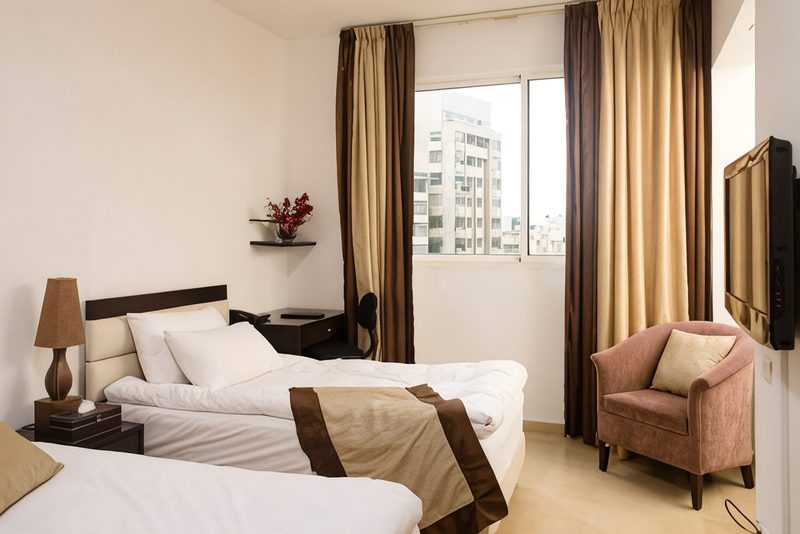
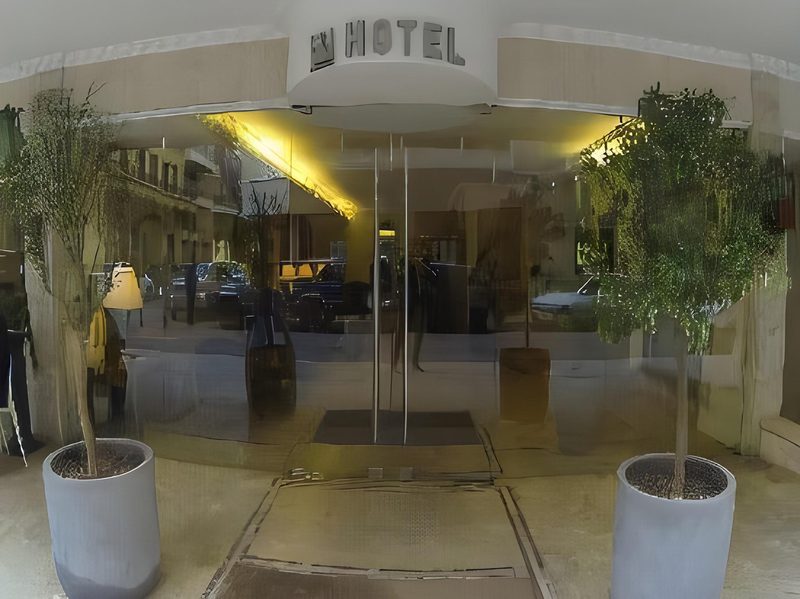
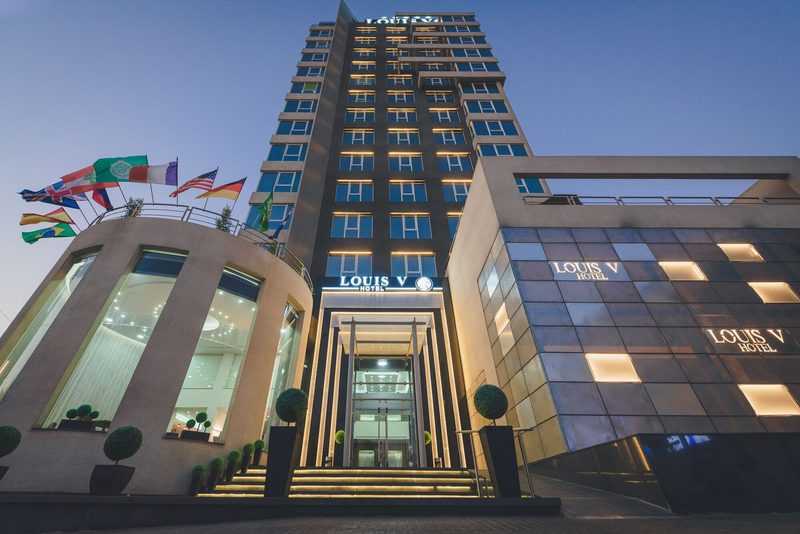
Hand-picked hotels across price tiers for October travellers.
Packing Checklist
Bookmark this page — your progress is saved between visits
Need the full list with shopping links?
Climate-specific gear, brand recommendations, and what to leave at home.
View Beirut Packing List →Essential Tips
Insider knowledge and common pitfalls to avoid
Insider Knowledge
Understand the Lebanese pound situation before you arrive. Most restaurants, shops, and services quote in US dollars and prefer them. ATMs dispense Lebanese pounds at rates that may not reflect the parallel market. Bring clean, recent US dollar bills and exchange small amounts locally as needed. This is not a credit-card-everywhere city outside the upscale hotels and restaurants, and a pocket of small-denomination dollars will serve you better than any card in markets and taxis. Cash is king here.
Base yourself in a neighbourhood that matches your rhythm. Hamra, around the American University of Beirut, is the intellectual quarter: bookshops, old-school cafes, and professors arguing politics over tiny cups of Turkish coffee thick enough to stand a spoon in. Achrafieh and the adjacent Geitawi are quieter, more residential, and have some of the best neighbourhood restaurants. Gemmayzeh and Mar Mikhael are the nightlife spine but have been in various stages of reconstruction since the 2020 port explosion. Choose based on what you want to wake up to, not where you want to go out. Your mornings matter more.
Learn the service taxi system, known as servees. It is Beirut's actual public transit and runs fixed routes for a fraction of what a private taxi charges. Any car that honks and slows as it passes you is offering a shared ride. Hold up one finger for servees, two fingers if you want the whole car. It takes a day to learn and saves you enormous amounts of money and time compared to hailing rides through an app, which can be unreliable during peak hours. Master this. It changes everything.
Plan your week around Friday. The workweek ends Thursday evening for many, and Friday morning along the Corniche is when Beirut feels most like itself: families walking, fishermen casting from the rocks below Raouche, the smell of grilled corn from the carts, old men playing backgammon on folding tables they have been setting up in the same spot for decades. Saturday is the brunch-and-recovery day. Sunday is quieter still, with church bells layering over the call to prayer in a way that is unique to this city. Work with this rhythm. Do not fight it.
Avoid These Mistakes
Do not spend all your time in downtown Solidere. The rebuilt city centre is architecturally impressive in a sanitised, deliberate way. But it feels like a film set compared to the lived-in texture of Hamra or the crumbling grandeur of Achrafieh. Tourists who stay in the downtown bubble and eat in its restaurants leave thinking Beirut is polished and quiet. It is neither. Walk fifteen minutes in any direction and the real city starts. Leave the bubble. Find Beirut.
Do not assume Beirut is the whole trip. The city is the base, not the destination. Byblos is forty minutes north, Baalbek is ninety minutes east, the Qadisha Valley and the cedars are two hours northeast, and Batroun, the low-key coastal town with better swimming than Beirut, is an hour up the highway. October weather makes all of these day trips comfortable rather than gruelling. Travelers who never leave the city miss Lebanon's most notable landscapes. Rent a car. Drive out. See more.
Underestimating the nightlife and then being unable to function the next morning. Beirut's bars and clubs, concentrated along Armenia Street in Mar Mikhael and the staircases of Gemmayzeh, do not get going until 11 PM and do not wind down until 4 AM. The arak flows freely, and the mezza-and-drinks culture means you are eating and drinking simultaneously for hours. If you have a 7 AM pickup for a Baalbek day trip the next day, Wednesday night is not the night to discover Mar Mikhael. The city will still be there when you get back.
Short on time? See day trips around Beirut on GetYourGuide.
Ready to plan your trip to Beirut?
Now that you've got the research covered, here's where to go next.
Explore More Activities in Beirut
Didn't see anything interesting yet?
Browse Viator's full catalog of tours, day trips, food experiences, and private guides in Beirut.
See All Beirut Tours on Viator